Aphantasia, the inability to voluntarily form mental images, was first described by Francis Galton in 1880 but largely remained unstudied until 2015, when Professor Adam Zeman of the University of Exeter coined the term and began his research, bringing renewed scientific and public attention to this fascinating aspect of human cognition. The concept traces back to Aristotle's "phantasia" from 340 BC, establishing a rich historical foundation for understanding individual differences in mental imagery.
The history of aphantasia reveals how visualization has played a central role in imagination discussions for thousands of years, first by philosophers, then psychologists, and now neuroscientists. Knowledge of our invisible differences dates back to 340 BC. Aristotle stands at the beginning of this history, when imagination was not yet an established topic of discussion.
Aristotle (c. 384 B.C. to 322 B.C.) was an Ancient Greek philosopher and scientist who is still considered one of the greatest thinkers in politics, psychology and ethics.
He is best known for:
Attending Plato's Academy
Tutoring Alexander the Great
Founding his own school, the Lyceum, in Athens
His 200+ writings on logic, physics, metaphysics, ethics, and politics
In De Anima (On the Soul), Aristotle examines human psychology., Aristotle examines human psychology. His writings about how people perceive the world continue to underlie many principles of modern psychology today.
"Knowing yourself is the beginning of all wisdom."
~ Aristotle
Phantasia's Ancient Origins
Aristotle popularizes phantasia in De Anima (On the Soul), Part III, to describe a distinct capacity between perception and thought — a sort of 'sixth sense.'
Phantasia is commonly translated to imagination and is often explained in the context of visualizing and dreaming. Although scholars have mixed views on the meaning and translation of phantasia, most would agree it is not “unrelated to the imagination.” Aristotle uses phantasia to explain other cognitive processes like memory, thought, reasoning, desire and action.
In a brief discussion in De Anima III 3, he describes phantasia as 'that in virtue of which an image occurs in us.' Aristotle accounts for phantasia in thoughts, dreams, memories and even hallucinations. He makes a point to distinguish this capacity for creating mental impressions from perception.
For Aristotle, phantasia “need never to have been actually perceived by the senses, nor ever really exist.” In other words, what we perceive can be a product of our imagination. This means phantasia can be false, often in fantastic ways. Perhaps that's why it's closely associated with fantasy.
During this period in history, however, it was generally believed that our thoughts required images. It was widely accepted that:
"...whenever one contemplates, one necessarily at the same time contemplates in images."
~ Aristotle
The rediscovery of aphantasia proves Aristotle may have been wrong about that.
The Missing Centuries: Alexander's Detailed Account
For nearly 1,500 years after Aristotle, philosophers grappled with the question: How does phantasia actually work?
Alexander of Aphrodisias (c. 200 AD) provided the most detailed ancient answer. He proposed that perception leaves physical "residues" (enkataleimmata) in our sensory organs—traces that persist and can be "reactivated" to create mental images, memories, and dreams. When you remember a white horse, according to Alexander, you're reactivating the sensory residue left by originally seeing it.
By documenting this mechanism in meticulous detail, Alexander assumed he was describing a universal human experience. He even explained how these residues could degrade or combine, causing distorted memories and dreams of impossible things (like the mythical Pegasus).
His assumption would go unchallenged for 1,800 years—until empirical science could finally test whether mental imagery really was universal.
The irony? By explaining what he thought everyone experienced, Alexander inadvertently created a blueprint for understanding what makes aphantasic minds different. It would take another 1,680 years before scientists began testing this ancient assumption empirically.
Brief History of Aphantasia
Aphantasia was first characterized as the inability to visualize, otherwise known as image-free thinking. Phantasia was the word Aristotle used to describe the faculties of imagination, such as visualization. The a in a-phantasia denotes its absence—literally meaning 'without phantasia' or 'without visualization.'
Early Observations
Francis Galton, a British psychologist known for pioneering human intelligence studies, was among the first scientists to recognize 'non-imagers' in the 1880s. His famous "Breakfast Study" asked participants to visualize their breakfast and describe its vividness. Galton discovered a spectrum of visual imagery — some individuals had vivid mental images, others had faint impressions, and surprisingly, some had no mental images at all.
Galton's scientific work reflected a broader Victorian awareness of mental imagery differences. Author and illustrator George du Maurier noted that many readers "do not possess this gift" of mental visualization, sparking debates about how illustrated books served readers without a mind's eye. These discussions reveal that recognition of aphantasia extended beyond science into literary criticism and popular culture.
Despite these groundbreaking observations in 1880, the phenomenon was relatively neglected for over 130 years until modern neuroscience could properly investigate it.
Rediscovery and Naming Aphantasia
Fast-forward to the 21st century, when neuroscience has advanced enough to study this enigmatic condition.
Dr. Adam Zeman, a neurologist from Exeter, receives a patient who can no longer imagine — known as patient MX. MX went blind in his mind's eye after undergoing surgery, creating the first documented case of acquired aphantasia.
News of patient MX's experience attracted widespread media attention, leading to many new discoverers who could relate to similar experiences — only they had been blind in their mind's eye since birth.
Zeman coined the term congenital aphantasia in 2015 to describe the phenomenon of lifelong blind imagination. This paper was picked up by media outlets, including the New York Times, which led to an outpouring of new discoverers who also identified as having aphantasia.
Modern Understanding
Research since 2015 has revealed that aphantasia affects approximately 1-5% of the population and exists on a spectrum alongside hyperphantasia (extremely vivid mental imagery).
Modern studies have shown that aphantasia:
Is not a mental disorder or disability
Often correlates with careers in technical and scientific fields
Can affect multiple senses, not just visual imagery
Has distinct neurological markers detectable through brain imaging
Research continues into brain mechanisms and practical implications
The discovery of aphantasia has fundamentally challenged the assumption that all human thinking requires mental images, opening new avenues for understanding consciousness, memory, and creativity.
The History of Aphantasia: A Complete Timeline
While discussions of imagination date back to ancient Greek philosophers, the scientific journey to understanding aphantasia spans over a century of psychological and neuroscientific research. From early observations of individual differences in mental imagery to modern neuroimaging studies, this timeline reveals how scientists gradually uncovered the fascinating conditions now known as aphantasia and hyperphantasia.
Mental Imagery Research Foundations (1880-1973)
1880 British psychologist Francis Galton conducts The Breakfast Study, the first systematic investigation of individual differences in visual imagery. The study asks participants, including 100 scientists like his half-cousin Charles Darwin and 172 schoolboys, to picture their breakfast table and describe its vividness. The responses vary dramatically—some report crystal clear images, others only faint impressions, and surprisingly, a few report no mental images at all.
1890 A.C. Armstrong, an American psychologist, replicates Galton's findings with the assistance of C H Judd. The investigators gave Galton’s original questionnaire to 188 men, 37 at Princeton College (1881–1882) and 151 at Wesleyan University (1890–1893), confirming that mental imagery abilities exist on a spectrum. He documents the case of "Mr. A.G.C.," who demonstrates exceptional visualization abilities, providing early evidence of what would later be called hyperphantasia.
1909 George Herbert Betts, a psychologist and educator at the University of Iowa, publishes "The Distribution and Functions of Mental Imagery," introducing the Questionnaire Upon Mental Imagery (QMI). He distinguishes between voluntary and spontaneous imagery, significantly advancing how researchers measure and understand mental imagery differences.
1963 William Grey Walter, a pioneering British neurophysiologist, describes two distinct thinking styles—visualizers versus conceptualizers—in "The Living Brain." His studies reveal that approximately one in six people are conceptualizers, providing the first population estimate for non-visual thinking styles.
1973 British psychologist David Marks creates the Vividness of Visual Imagery Questionnaire (VVIQ) to measure individual differences in mental imagery strength. This assessment becomes the gold standard, referenced in over 1,200 subsequent studies.
1997 Bill Faw, a cognitive psychologist at Brewton-Parker College and himself a non-imager, publishes "Outlining a Brain Model of Mental Imaging Abilities" in Neuroscience and Biobehavioral Reviews, proposing neurological mechanisms that could explain how people without conscious mental imagery maintain normal perceptual and memory abilities.
The Modern Era: Naming and Understanding Aphantasia (2003-2015)
2003 Neurologist Oliver Sacks publishes "The Mind's Eye" in The New Yorker, highlighting the vast variations in visual imagery abilities. He describes meeting a colleague at a medical conference who reported having "no visual imagery whatsoever," bringing scientific attention to this phenomenon.
2009 Professor Adam Zeman of the University of Exeter publishes the first clinical case study of acquired aphantasia, featuring a 65-year-old former surveyor known as "patient MX" who lost his visualization ability after heart surgery. Zeman coins the term "blind imagination."
Bill Faw publishes a study reporting that 3-5% of 2,500 surveyed individuals have no visual imagination. This provides the first population estimate for aphantasia and validates Galton's earlier observations with modern survey methodology.
2010 Discover magazine publishes the story of patient MX, leading to an unexpected discovery: numerous readers report similar experiences but have had absent visual imagery since birth, not due to injury.
2015 Adam Zeman conducts a landmark study with 21 participants, revealing extremes on both ends of the visual imagery spectrum. He names the lifelong inability to visualize "congenital aphantasia" and coins "hyperphantasia" for the opposite condition—exceptionally vivid mental imagery.
The Research Explosion (2018-2024+)
2018 Dr. Adam Zeman and Professor Joel Pearson launch the first neuroimaging studies of aphantasia, using brain scans to understand why some people cannot create mental images.
Dr. Joel Pearson's team validates aphantasia using the binocular rivalry paradigm, providing objective evidence that aphantasia involves genuine differences in mental imagery rather than just self-reporting issues.
2019 Tom Ebeyer, one of Zeman's original 21 participants, establishes the Aphantasia Network to connect people with extreme imagination differences globally.
The first international conference on extreme imagination takes place at the University of Exeter, featuring artwork by both aphantasic and hyperphantasic artists.
Ed Catmull, co-founder of Pixar, surveys 540 former Disney employees and discovers that some of the world's most acclaimed animators, including Glen Keane (The Little Mermaid), have aphantasia.
Aphantasia receives its first mention in mainstream entertainment in Netflix's "Space Force" series.
University of New South Wales researchers discover that mental imagery strength correlates with cortical excitability in specific brain regions, providing the first neurobiological explanation for extreme imagination differences.
2021 The Aphantasia Network hosts the second Extreme Imagination conference virtually, connecting over 400 participants from 16 countries.
2022 The Aphantasia Network launches the Imagination Spectrum Questionnaire, the first publicly available assessment for multisensory aphantasia and hyperphantasia.
2024 A comprehensive decade review reveals that aphantasia affects approximately 1% of the population, while 3% have hyperphantasia, with these figures rising to 5% and 10% respectively under more inclusive criteria. This review also confirms that both aphantasia and hyperphantasia often run in families, providing stronger evidence for a genetic basis.
2025 Paolo Bartolomeo, a neuroscientist at the Sorbonne Université and Paris Brain Institute, provides a taxonomy of aphantasia consolidating aphantasia into three distinct types, establishing clearer classifications for the imageless mind.
Key Research Milestones
The discovery of aphantasia has revolutionized our understanding of human consciousness and cognitive diversity:
Population Impact: Up to 5% of people may have aphantasia or very weak imagery
Genetic Component: Strong family clustering suggests hereditary factors
Neurobiological Basis: Distinct brain activity patterns and pupillary responses
Functional Differences: Career preferences and cognitive strengths vary by imagery type
Assessment Tools: Multiple validated questionnaires now available for research and self-assessment
What will we discover next?
The discovery of aphantasia has fundamentally challenged assumptions about human thought that date back over two millennia. The existence of aphantasia proves that ancient philosophers were describing their own experiences, not a universal human trait.
The journey from Galton's breakfast table observations to modern neuroimaging studies illustrates how scientific understanding evolves. What began as curious individual differences has become a window into the fundamental nature of human consciousness and the remarkable diversity of our inner mental worlds.
Current research continues to explore the genetic markers of aphantasia, its relationship with other cognitive differences, potential therapeutic applications and more. As our understanding deepens, we're discovering how the imageless mind may offer unique advantages in various fields and contexts. This revelation has opened new avenues for understanding consciousness, memory, and creativity—demonstrating that image-free thinking is not a deficit but a natural variation in human cognition.
The Story Begins with Aristotle
The history of aphantasia reveals how visualization has played a central role in imagination discussions for thousands of years, first by philosophers, then psychologists, and now neuroscientists. Knowledge of our invisible differences dates back to 340 BC. Aristotle stands at the beginning of this history, when imagination was not yet an established topic of discussion.
Founder of Aphantasia Network and one of the pioneering 21 cases that brought aphantasia to light. With a personal journey deeply intertwined with the phenomenon, Tom is at the forefront of raising awareness, fostering community, and championing the unique experiences of those with aphantasia
Aphantasia Network is shaping a new, global conversation on the power of image-free thinking. We’re creating a place to discover and learn about aphantasia. Our mission is to help build a bridge between new scientific discoveries and our unique human experience — to uncover new insight into how we learn, create, dream, remember and more with blind imagination.
Was this helpful?
Image-Free Insights
A short note from our founder, Tom Ebeyer, every other week, plus occasional news and invitations to take part in studies. Change what you get from any email.
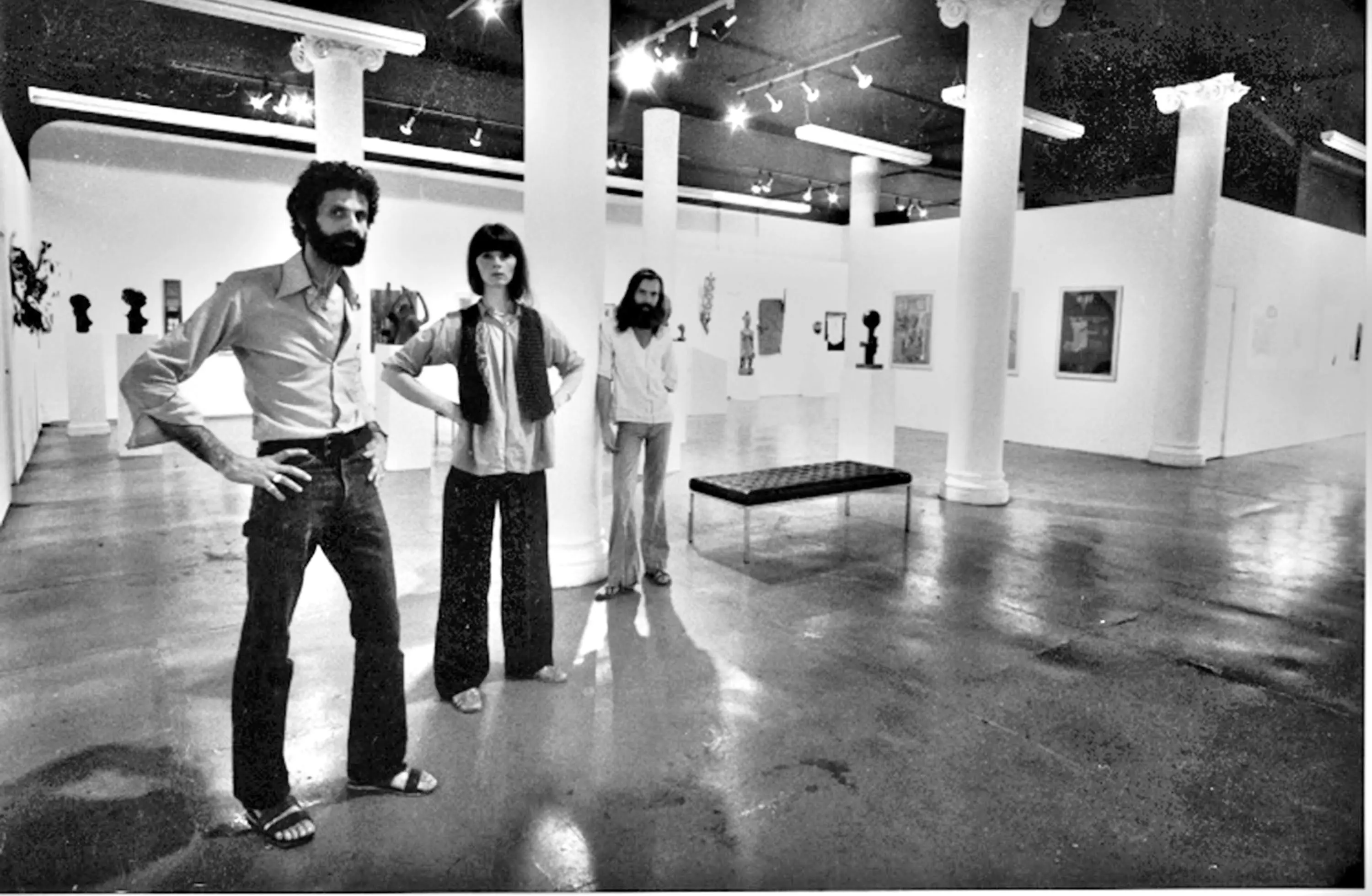
At 85, an artist and curator discovers aphantasia and finally understands decades of struggle with art school instruction, finding that a tactile "add and subtract" method, first in assemblage, then photography and curating, was the workaround that quietly shaped an entire career.
Geno Rodriguez · October 2026
The Empty Canvas in My Head
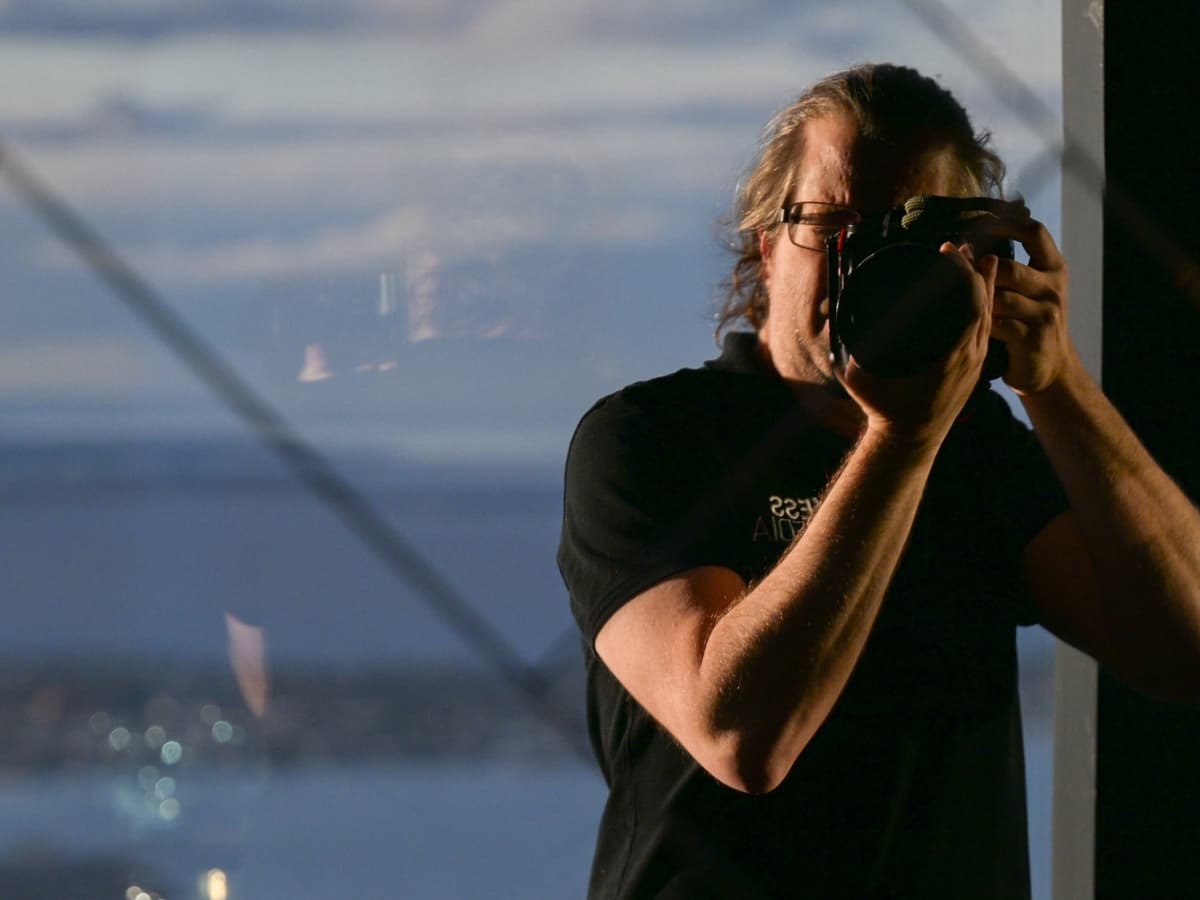
After decades behind a camera, a photographer learns his mind has never produced images, a discovery that explains his compulsive archiving, his instinctive way of shooting, and his lifelong habit of trusting what's in front of him over what's in his head.
Alexander Kesselaar · September 2026
‘That’s Not How I Pictured It’ – Why Book‑to‑Film Adaptations So Often Disappoint
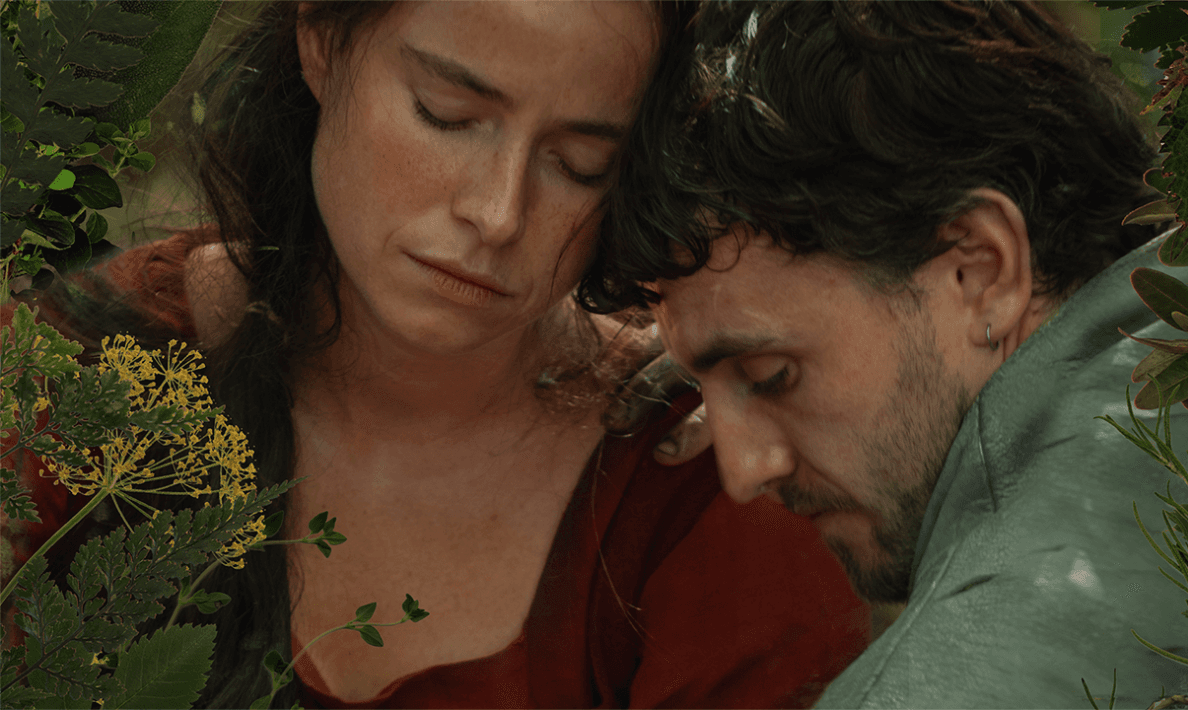
Film adaptations and illustrations can clash with our personal mental images. However, for those with aphantasia, who cannot mentally visualize, these on-screen adaptations offer a uniquely liberating way to experience stories.