Articles
Stories from people with aphantasia, what the research says, and things to try.
Stories from people with aphantasia, what the research says, and things to try.

Many assume that everyone can picture scenes in the mind’s eye—but history reveals otherwise. This article explores nineteenth-century writers and scientists who recognized readers without mental imagery—what we now call aphantasia. From George du Maurier to Francis Galton, it traces the surprising origins of today’s understanding of aphantasic readers.
Julia Thomas · October 2025

A viral post called people who can't visualize 'furniture.' I was one of the first 21 people ever documented with aphantasia. Here's what that post gets wrong.
Tom Ebeyer · March 2026

An artist with aphantasia cannot visualise images but embraces creating through hands-on exploration, turning absence into meaningful, innovative, and expressive works of fine art.
Deleted member · October 2025

Drawing on Under the Tuscan Sun, Terry Grace explores what it means to build a meaningful life without the ability to picture it first. This essay offers an alternative framework for manifestation: one rooted in feeling, resonance, and faith rather than visualization.
Terry Grace · November 2025

The neurologist who identified aphantasia shows how we construct reality through imagination in his new book. As someone with aphantasia, I, Hollis Robbins, found his insights both validating and illuminating. Blending neuroscience, poetry, and poignant case studies, Zeman shows that imagination—visual or not—is central to human experience. This thoughtful, timely book reveals why our capacity to imagine remains one of humanity’s most defining traits.
Hollis Robbins · August 2025

I live without mental imagery—no pictures, no imagined sounds. But my world is rich in emotion, intuition, and presence. I parent, create, and heal by tuning into what I feel, not what I see. It’s a different way of experiencing life—and it’s deeply meaningful in its own quiet, grounded way.
Sage Marie · July 2025

What was your reaction when you first discovered others were thinking in pictures while you weren't? This jarring revelation led designer Shane Williams on a 25-year journey exploring cognitive differences. His research shows that studying and embracing how differently we all think opens up new worlds of patience, understanding, and acceptance.
Shane Williams · July 2025

How I used a metaphorical aphantasia stamp to explain all of my perceived shortcomings.
Michael Swanson · November 2023

Discovering aphantasia and Severely Deficient Autobiographical Memory (SDAM) is a roller coaster of emotions. Yet I learned to understand myself and others better.
Maarten Serneels · September 2022

Haiku is often called a visual snapshot, but as a poet with aphantasia, I see nothing in my mind's eye. For forty years, I thought "picturing it" was a metaphor. From childhood memory tricks to professional poetry, I’ve learned that a mind without images doesn't lack imagination—it just meets the world through a direct and powerful connection between attention, relationship, and the timing of perception.
Mark Farrar · April 2026

When you can't picture anything in your mind, meditation can seem off-limits. But the absence of mental imagery may be a gateway, not a barrier—one that leads more directly into presence and the heart of awareness.
Linda Wright · February 2026

How aphantasia affects mental health treatment, revealing that while aphantasics don't experience visual flashbacks, they still feel emotions intensely, requiring alternative therapeutic approaches beyond traditional imagery-based techniques.
Reshanne Reeder · March 2025

Have you ever described a memory in vivid detail despite seeing nothing in your mind? It raises a fascinating question: could our brains be processing images... we just can't consciously access?
Tom Ebeyer · March 2025

Aphantasia, living without a mind's eye, doesn't hinder creativity. Despite my inability to visualize, I wrote and published a fantasy novel, proving creativity thrives in unique ways.
Frank Schutz · June 2024

The Ball on a Table experiment is a simple visualization test that reveals whether you think in pictures (visualizer) or concepts (conceptualizer). This revealing experiment, originally credited to u/Caaaarrrl, takes less than a minute but provides profound insights into how your mind processes information.
Aphantasia Network · October 2023

Why might your mind's eye be blind while your friend can picture crystal-clear images? Shocking insights into the known neurodifferences in imagery vividness.
Mike Perrotta · February 2021

Aphantasia, the inability to voluntarily form mental images, was first described by Francis Galton in 1880 but largely remained unstudied until 2015, when Professor Adam Zeman of the University of Exeter coined the term and began his research, bringing renewed scientific and public attention to this fascinating aspect of human cognition. The concept traces back to Aristotle's "phantasia" from 340 BC, establishing a rich historical foundation for understanding individual differences in mental imagery.
Tom Ebeyer · March 2020
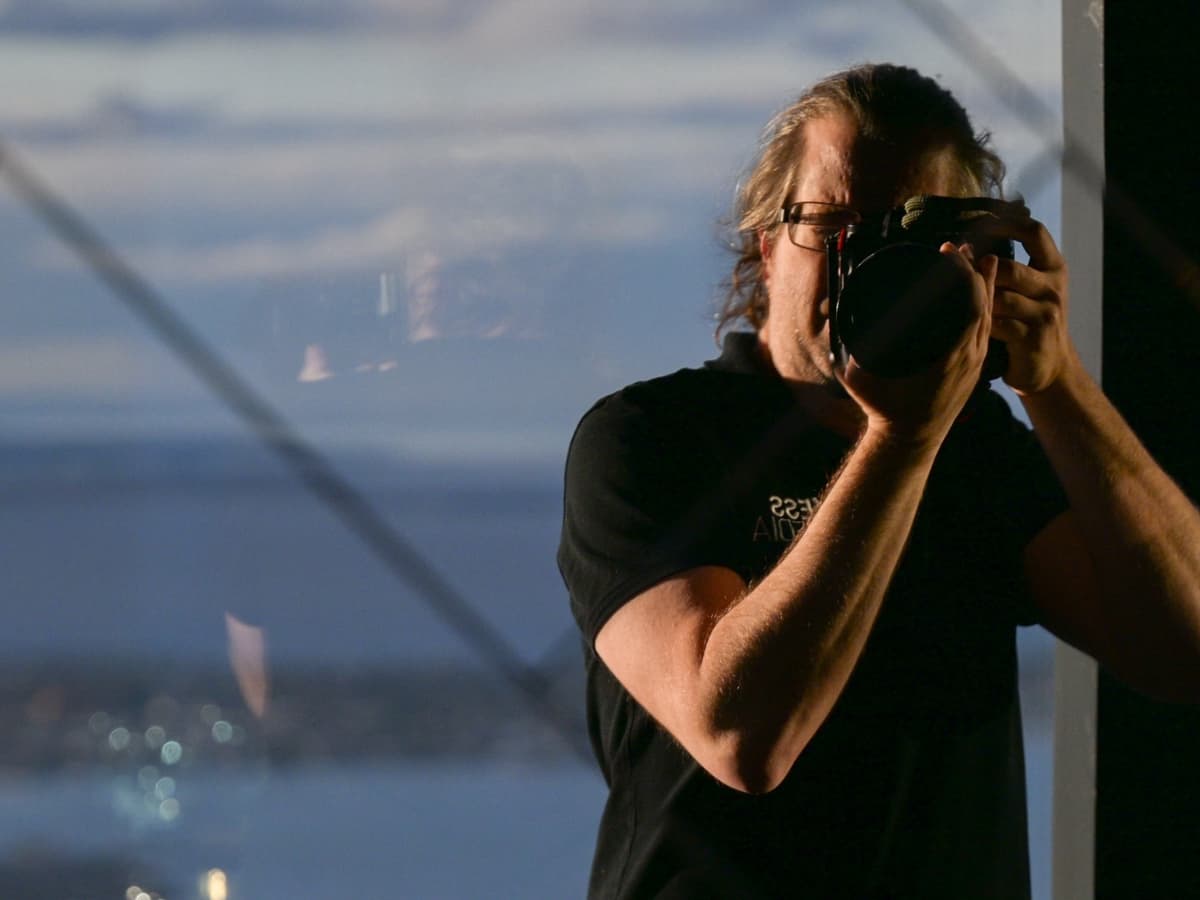
After decades behind a camera, a photographer learns his mind has never produced images, a discovery that explains his compulsive archiving, his instinctive way of shooting, and his lifelong habit of trusting what's in front of him over what's in his head.
Alexander Kesselaar · September 2026
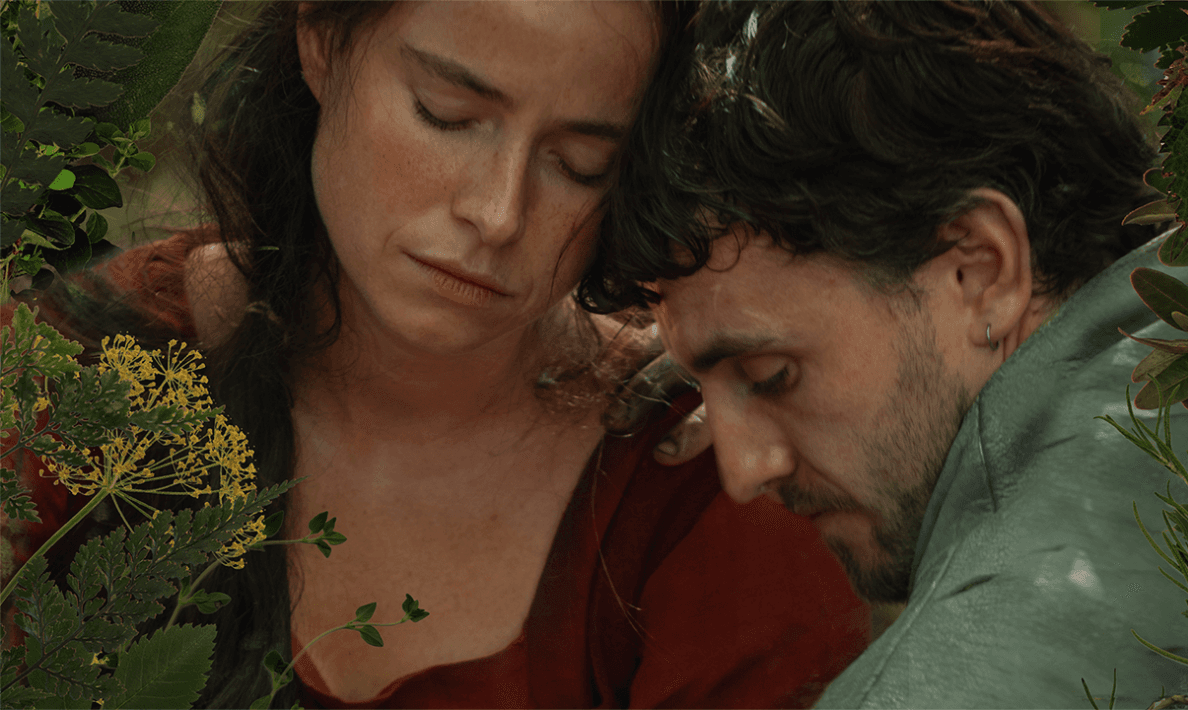
Film adaptations and illustrations can clash with our personal mental images. However, for those with aphantasia, who cannot mentally visualize, these on-screen adaptations offer a uniquely liberating way to experience stories.
Julia Thomas · July 2026

Hollis Robbins reveals how Mississippi's reading revolution validates what people with aphantasia have always known: you don't need mental pictures to decode language. This essay argues that teaching reading as pure pattern-matching and code-breaking—not visualization—prepares all students for an AI-saturated world.
Hollis Robbins · December 2025