Articles
Stories from people with aphantasia, what the research says, and things to try.
Stories from people with aphantasia, what the research says, and things to try.

Hollis Robbins reveals how Mississippi's reading revolution validates what people with aphantasia have always known: you don't need mental pictures to decode language. This essay argues that teaching reading as pure pattern-matching and code-breaking—not visualization—prepares all students for an AI-saturated world.
Hollis Robbins · December 2025

For years, I thought something was wrong with me. While others “pictured” scenes in their minds, I saw nothing. I couldn’t visualize characters or settings, and it left me feeling disconnected—until I learned I had aphantasia.
KJ Zagabria · June 2025

I used to think of myself as part of the “norm”—someone who wasn’t different. But over time, I began to realize that my dyslexia, my aphantasia, the way I process and express ideas, all pointed to a different kind of mind. Not broken. Not less. Just different. And in embracing that difference, I stopped seeing it as a deficit and started seeing it as a strength. It changed how I teach, how I connect with others, and most importantly, how I see myself.
Bryn Williams-Jones · April 2025

As a horror writer with aphantasia, I can’t visualize the creepy skulls I write about. Yet, I still describe vivid scenes by focusing on sounds, smells, and emotions. My imagination doesn’t need visuals to create gripping stories—character depth and atmosphere are my strengths.
Chad Anctil · October 2024

People with aphantasia can’t visualize, but that doesn’t mean we don’t have intrusive thoughts. Intrusive thoughts without imagery can be a whole-body, terrifying experience.
Liana Scott · May 2024

Sex and aphantasia can be a tricky business. As an aphantasic, I couldn't picture the person of my desire, so relied on the mental equivalent of text files.
Brian J Byrne · February 2023

A Case of Aphantasia is a piece of soft science fiction about a man who’s aphantasia is cured in therapy with a fictional technology. That cure comes at a deep cost. This is the first fictional story ever written on aphantasia.
Dustin Grinnell · November 2025

How do you describe aphantasia? Founder of Aphantasia Network often gets asked this question. His answer? Think of a horse.
Tom Ebeyer · January 2019
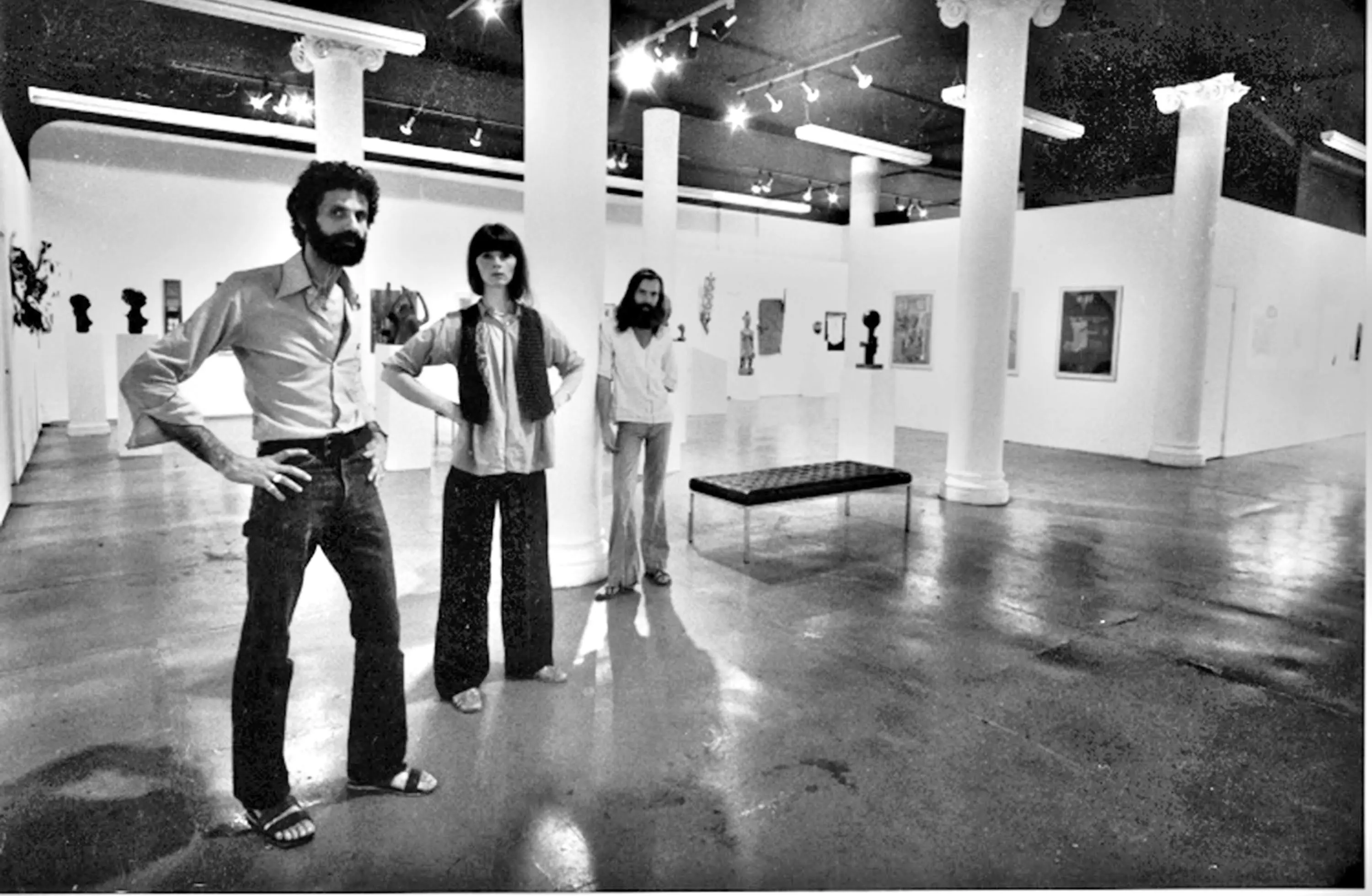
At 85, an artist and curator discovers aphantasia and finally understands decades of struggle with art school instruction, finding that a tactile "add and subtract" method, first in assemblage, then photography and curating, was the workaround that quietly shaped an entire career.
Geno Rodriguez · October 2026
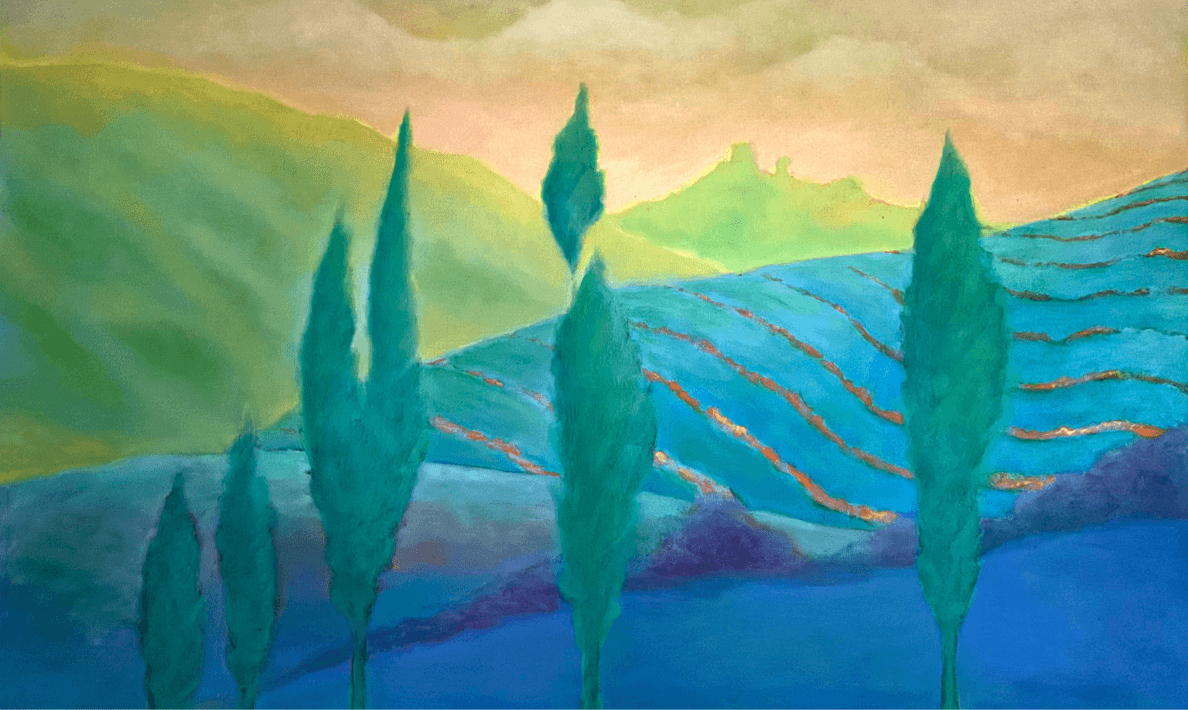
An artist shares his surprising discovery of living with aphantasia—the inability to visualise. Despite being unable to picture faces or landscapes, he reveals how this unique trait shapes his creative journey, forcing him to work instinctively, embrace experimentation, and use photography, digital tools, and video to help translate emotion into art.
Paul Windridge · June 2026

If you've ever felt like your aphantasia and ADHD are tangled together in ways you can't quite explain, you're not alone. Researchers are beginning to untangle that same thread — and what they're finding suggests the mind's eye depends on attention in ways we're only starting to understand.
Tom Ebeyer · October 2025

As an artist with aphantasia, I create without mental images, relying on conceptual thinking and tactile exploration. My process transforms abstract ideas into tangible works, using recycled materials and collage to bring concepts to life. Without visual preconceptions, I embrace discovery, letting the journey shape my art and reimagining creativity as a dialogue with the world around me.
Onofrio Passariello · February 2025

Researchers expand aphantasia definition beyond "inability to visualize." This broader framework impacts how we understand and identify with the condition.
Tom Ebeyer · January 2025

Did the ancient Greeks know some people can’t create mental images? The forgotten history of ekphrasis challenges our assumptions about imagination and offers surprising insights into our image-saturated world.
Jennifer McDougall · August 2024

Since 2015, "aphantasia" has reshaped our understanding of imagination, revealing that not everyone visualizes mentally. This discovery, along with "hyperphantasia," highlights the diverse nature of human imagination.
Tom Ebeyer · May 2024

In July 1963, Alice Grebanier's observation of a total solar eclipse marked a pivotal moment in her life. This event, merging scientific discovery with profound reflections on memory and emotion, showcases how moments of discovery can eclipse the limitations of memory recall in aphantasia.
Jennifer McDougall · April 2024

The concept of 'tokens' and 'types' helped me understand how we think differently: visualizers use specific imagery, while aphantasics excel in abstract thinking.
Tom Ebeyer · February 2024

When I learned that I had aphantasia and that my husband of 40 years has hyperphantasia, it gave the idea “opposites attract” a whole new meaning.
Liana Scott · November 2023

