How To Test For Aphantasia At Home Using Binocular Rivalry
Discover if you have aphantasia using a simple binocular rivalry test you can do at home. Learn about objective measurement techniques and what your results could mean.
Aphantasia Network and Tom Ebeyer
5 min read

What is Aphantasia?
Current Aphantasia Assessment Methods
The Vividness of Visual Imagery Quiz (VVIQ)
The Need for Objective Measurement
- Had images in their minds but were simply unaware of them
What is Binocular Rivalry Testing?
Understanding Visual Perception
How Binocular Rivalry Works
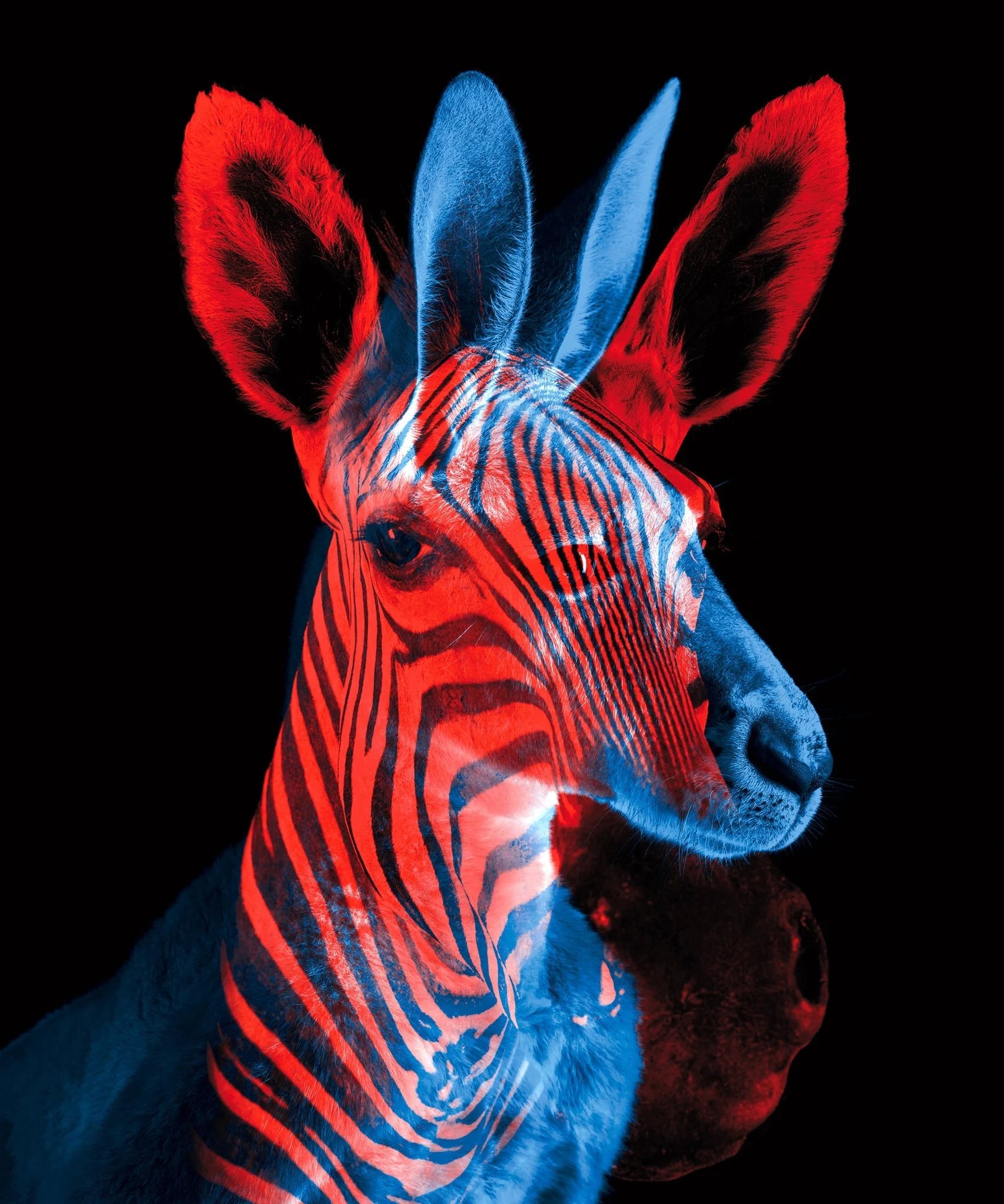
Perceptual Priming and Mental Imagery
- People without aphantasia: Can visualize colors mentally, which primes their brain to see that color more often
- People with aphantasia: Cannot visualize colors mentally, so no priming occurs, and they see both images equally often
How to Test for Aphantasia at Home
What You'll Need
- (old-school theater glasses work perfectly)
- A computer or mobile device
- A stable surface to rest your chin on (stack of books works well)
- Paper and pen to record results
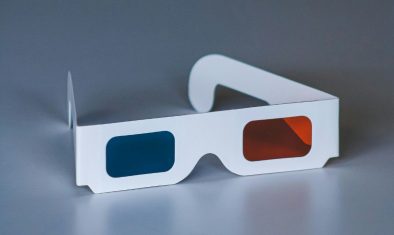
Step-by-Step Binocular Rivalry Experiment
Phase 1: Baseline Testing
- Set up your workspace
- View the test images
- Record your baseline results

Phase 2: Priming Test
- Prepare for priming
- Repeat the viewing test (up to 10 times)
- Record your priming results
Phase 3: Results Analysis
- Was there a significant difference between the two phases?
- Record the percentage increase (if any) in red dominance

Results Tracking Template
Interpreting Your Results
Likely Non-Aphantasic Results
- Significant increase in red dominance during priming phase
- 6-8 out of 10 times seeing red when priming for red
- Clear difference between baseline and priming phases
Potential Aphantasia Indicators
- Little to no change between baseline and priming phases
- Difficulty or inability to visualize red during priming
- Randomor equal distribution of red/blue dominance in both phases
Important Considerations
Laboratory vs. Home Testing
- Professional labs use calibrated displays, controlled lighting, precise timing, and standardized protocols
- Home testing variables include screen quality, lighting conditions, glasses quality, and individual setup differences
- Research standards typically require multiple sessions with dozens of trials for reliable results
General Limitations
- Not a diagnostic tool: Only a qualified professional can diagnose aphantasia
- Requires repetition: Multiple trials increase accuracy
- Individual variation: Results may vary due to factors like fatigue or concentration
Are There Other Objective Tests For Aphantasia?
Laboratory-Based Tests
- fMRI studies measuring brain activity during imagery tasks in controlled scanner environments
- Pupillometry measuring pupil responses to imagined bright/dark scenes using specialized eye-tracking equipment
- EEG studies recording electrical brain activity during mental imagery tasks
- Reaction time studies measuring responses to imagery-based tasks with precise timing equipment
Clinical and Research Assessments
- Standardized drawing tasks comparing memory-based drawings under controlled conditions
- Multi-session binocular rivalry testing with calibrated equipment and statistical analysis
- Comprehensive imagery questionnaires administered by trained researchers
- Behavioral paradigms testing imagery across different sensory modalities
What Should I Do If I Think I Have Aphantasia?
- Contrasting your experience with how others and sharing about aphantasia
- Consulting with an about your experience
- Connecting with the for peer support
- Remember: Aphantasia is a variation, not a disorder requiring treatment
Sources
Topics
Written by
- ANAphantasia Network
Aphantasia Network is shaping a new, global conversation on the power of image-free thinking. We’re creating a place to discover and learn about aphantasia. Our mission is to help build a bridge between new scientific discoveries and our unique human experience — to uncover new insight into how we learn, create, dream, remember and more with blind imagination.
- TETom Ebeyer
Founder of Aphantasia Network and one of the pioneering 21 cases that brought aphantasia to light. With a personal journey deeply intertwined with the phenomenon, Tom is at the forefront of raising awareness, fostering community, and championing the unique experiences of those with aphantasia
Was this helpful?
Image-Free Insights
A short note from our founder, Tom Ebeyer, every other week, plus occasional news and invitations to take part in studies. Change what you get from any email.