Haiku is often called a visual snapshot, but as a poet with aphantasia, I see nothing in my mind's eye. For forty years, I thought "picturing it" was a metaphor. From childhood memory tricks to professional poetry, I’ve learned that a mind without images doesn't lack imagination—it just meets the world through a direct and powerful connection between attention, relationship, and the timing of perception.
At the age of eight, I swapped a handful of Penny Arrows (an old English treat) for a book that promised a better memory.
It instructed me to create bright mental pictures and walk through them in my imagination. I followed the method exactly–except for the part where the pictures were supposed to appear. I assumed the language was metaphorical. Surely, others didn’t actually see things..
More than forty years later, in a quiet conversation with my now late wife, I discovered that most people really can see those images. That was the moment my childhood experience stopped being typical and acquired a name—aphantasia.
Many people with aphantasia describe a similar delay between that first quiet realization—I don’t seem to be doing what the instructions are asking—and the later discovery that other people are having a fundamentally different internal experience. From the inside, nothing feels absent. Memory works. Reading works. Imagination works. It is only when someone says, “No, I can actually see it,” that the metaphor collapses and the difference becomes visible.
The Language of Imagery
The assumption that imagination is primarily visual is deeply woven into everyday language. So much so that the concept has become almost invisible:
We are asked to picture the future, to replay memories, to hold an image in the mind.
Relaxation exercises and guided hypnosis sessions begin by inviting us to “see” a beach or a candle flame.
Memory strategies promise improvement if we can only make our inner images more vivid.
For those of us without mental imagery, rather than literal—it’s simply figurative. We understand the instructions, translate them into something that works for us, and move on, unaware that others are following them in an entirely different way.
Haiku: A Form I Shouldn’t Have Been Able to Write
This was the context in which I first encountered haiku—a form almost universally described as a way of capturing a scene; a snapshot in words. The advice given to beginners seemed to depend on the very faculty I did not possess: observe, recall, and render the image. By all reasonable assumptions, for someone with aphantasia, it should have been a frustrating exercise in approximation.
Instead, something unexpected happened. I found that I could write haiku in the same way I had always remembered and understood the world—through attention, through relationship, through the timing of perception—and nothing felt as though it were missing.
Attention Instead of Pictures
When a haiku begins for me, it does not start with a mental picture. It starts with a shift in attention. Something aligns for a moment—a sound against a background of silence, a change in temperature, the way two perceptions occur at once and seem to belong together.
There is no internal scene to consult, no image to refine. The experience is already complete in the present, and the words arrive as a way of registering the relationship between its parts.
overpass —
colt wandering
to smell the daffodils
For a long time, I assumed I was compensating for something—converting an image-based process into a verbal one.
But the more I wrote, the clearer it became that there was nothing for which to compensate. The poems were not incomplete. Readers did not experience them as lacking in imagery. If anything, the absence of an internal screen seemed to keep the attention anchored in what was actually present: sound, space, contact, time passing.
What I had taken to be a limitation was simply a different starting point.
Remembering Without Replaying
The same pattern appears for me in memory. When I recall an event, I do not re-enter it visually. I know where I was. I know what happened. I know how it felt. Certain details remain—a phrase that was spoken, the weight of an object in my hand, the quality of the light as a fact rather than a picture. The memory is relational and conceptual rather than sensory.
When I write haiku, I depend on exactly this kind of recall; not the reconstruction of a scene, but the recognition of what made a moment meaningful.
falling leaves —
fifth rubber band around
the letters my mum had kept
Not a Picture but an Event
Without an internal field of images, attention settles elsewhere. It moves outward rather than inward. The world is not something I reconstruct in my mind but something I meet directly, in real time:
the cadence of footsteps approaching from behind
the sudden coolness when a cloud passes over the sun
the way a conversation shifts when a single word is left unsaid
Experience is not mediated through an inner picture but registered as a pattern of relationships—between sounds, between moments, between myself and what is present. Haiku did not require me to overcome the absence of imagery. It depended on exactly this kind of noticing.
This led to a second realization: the common description of haiku as a visual snapshot is, at best, incomplete. A haiku is not a picture but an event—a moment in which two perceptions touch and create a change in awareness. That change can be carried by a sound, a movement of air, a contrast in temperature, or a pause in speech.
The reader does not need to see what the poet saw. The poem works by recreating the relationship, not by reproducing the image.
Entering the Structure
For those of us with aphantasia, this has wider implications.
We are often told, implicitly or explicitly, that creativity depends on visualization—that to imagine is to see. Yet many forms of art do not begin with images at all. They begin with structure, with language, with rhythm, with systems, with the recognition that two things belong together.
The absence of mental imagery does not remove us from the creative process. Rather, it places us in a different relationship to it, one that is often more immediate and less filtered through rehearsal.
The same is true of reading. I do not project a film of the novel into my mind. Instead, I experience a shifting network of meanings and emotional tones. Places exist as known environments rather than as internally viewed landscapes; characters are defined by what they do and say rather than by a visible face.
Nothing about this feels thin or incomplete. If anything, it allows the language itself to remain in the foreground.
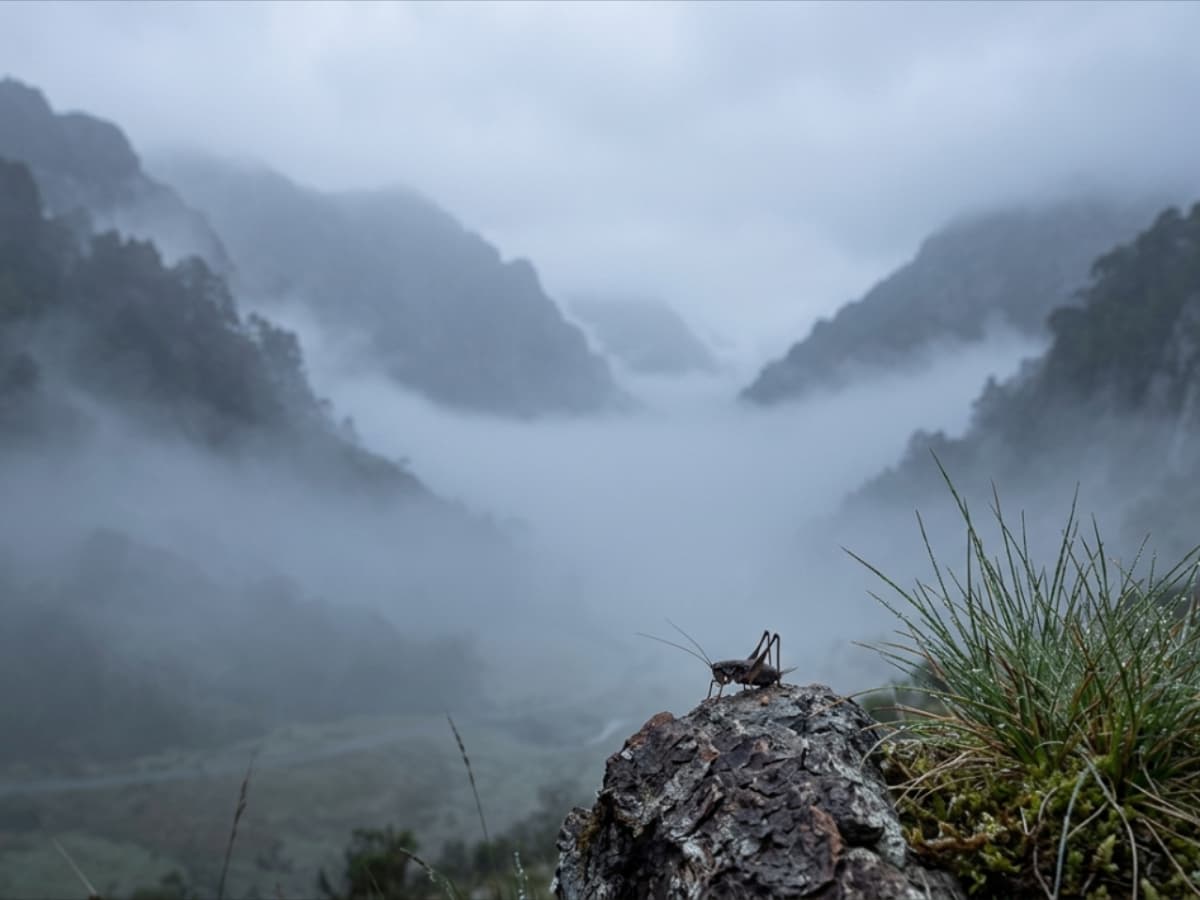
bell cricket —
the sound of fog
in the valley
Haiku, with its reliance on suggestion and participation, mirrors this process perfectly. The poem does not supply an image to be viewed but a structure to be entered.
Appreciating What Was Always There
When I think back to the eight-year-old version of me, sitting with that memory manual, trying to follow instructions that seemed perfectly clear and yet produced no images, I no longer see a failure of method or imagination. I see a child already working in the only way he could: translating visual language into patterns of meaning, sequence, and relationship.
Nothing was missing from the experience itself. What was missing was the vocabulary to describe it. The discovery of aphantasia, forty years later, did not give me a new ability. It gave me a way of understanding the one I had always had.
Many people with aphantasia seem to reach this point of recognition and begin to re-evaluate earlier assumptions about memory, imagination, and creativity. Experiences that once felt like workarounds turn out to have been primary modes of thought all along. The strategies we developed—attending to structure, language, and the way moments connect—are not substitutes for imagery but complete cognitive styles in their own right.
In forms such as haiku, which depend on attention and relationship rather than description, those styles are not a disadvantage. They are a natural fit.
A Different Imagination
These questions—what it means to write without images, how memory functions when it is not visual, why a form so often described as pictorial can arise from a non-visual mind—became the starting point for my book Haiku Without a Mind’s Eye, which grew out of the same questions. The book is an extended exploration of the same realization that began with that childhood encounter with a mnemonic system: absence of mental imagery does not place us outside the imaginative world. It places us in it differently.
To live without a mind’s eye is not to live without imagination. It is to experience imagination as something that happens in time rather than on a screen, in relationships rather than in pictures, and in the meeting between attention and the present moment. For me, haiku became the place where this was most clearly visible—not because it gave me images, but because it showed me that I had never needed them.
“Go to the pine if you want to learn about the pine.”
— Matsuo Bashō
Aphantasia: Before I Discovered Its Name
At the age of eight, I swapped a handful of Penny Arrows (an old English treat) for a book that promised a better memory.
It instructed me to create bright mental pictures and walk through them in my imagination. I followed the method exactly–except for the part where the pictures were supposed to appear. I assumed the language was metaphorical. Surely, others didn’t actually see
You’ve used your five free reads
Members read everything here, and put their own questions to the researchers at live talks.
Every talk recorded, with the questions
The members’ Discord, between talks
The Aphantasia Explained course, with Annual
Prices in US dollars, plus tax where it applies. 30 days to change your mind.
I am a pentaphant (which is a word I came up with to describe somebody who cannot recreate memories or experiences using any of the five senses) and have been since at least 1968, maybe longer.
I worked in IT for over 25 years before moving to the USA in 2005 and becoming an entrepreneur and writer (non-fiction, haiku, and flash fiction.)
Was this helpful?
Image-Free Insights
A short note from our founder, Tom Ebeyer, every other week, plus occasional news and invitations to take part in studies. Change what you get from any email.
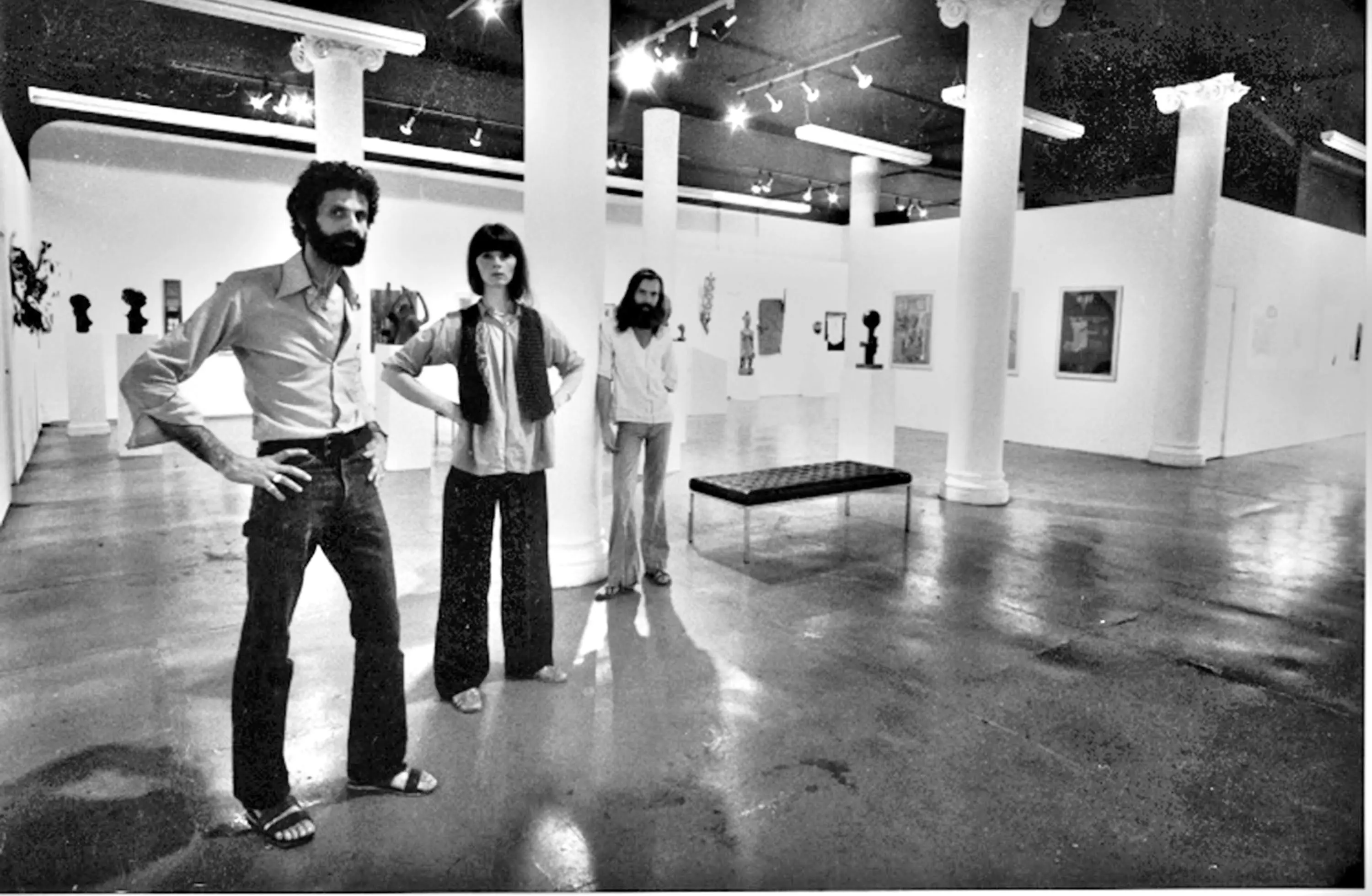
At 85, an artist and curator discovers aphantasia and finally understands decades of struggle with art school instruction, finding that a tactile "add and subtract" method, first in assemblage, then photography and curating, was the workaround that quietly shaped an entire career.
Geno Rodriguez · October 2026
The Empty Canvas in My Head
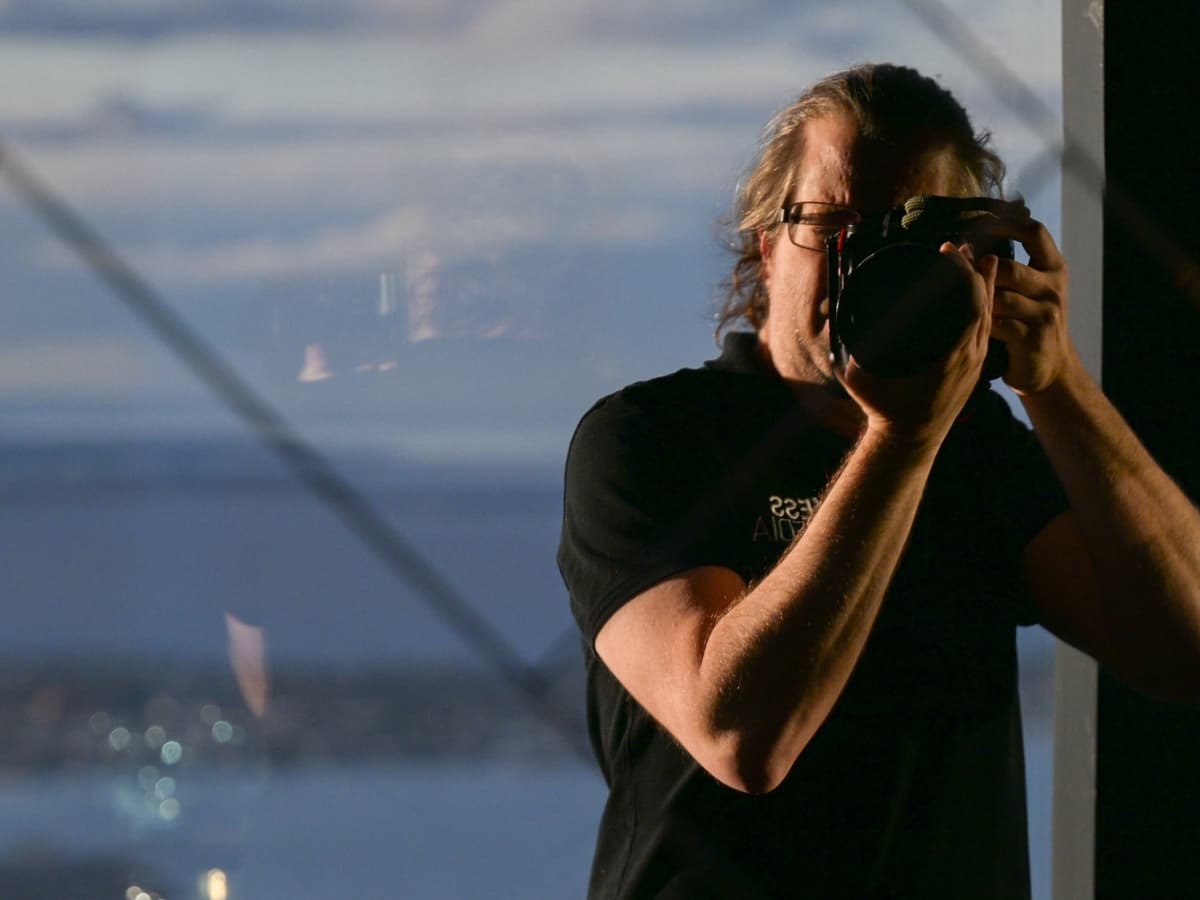
After decades behind a camera, a photographer learns his mind has never produced images, a discovery that explains his compulsive archiving, his instinctive way of shooting, and his lifelong habit of trusting what's in front of him over what's in his head.
Alexander Kesselaar · September 2026
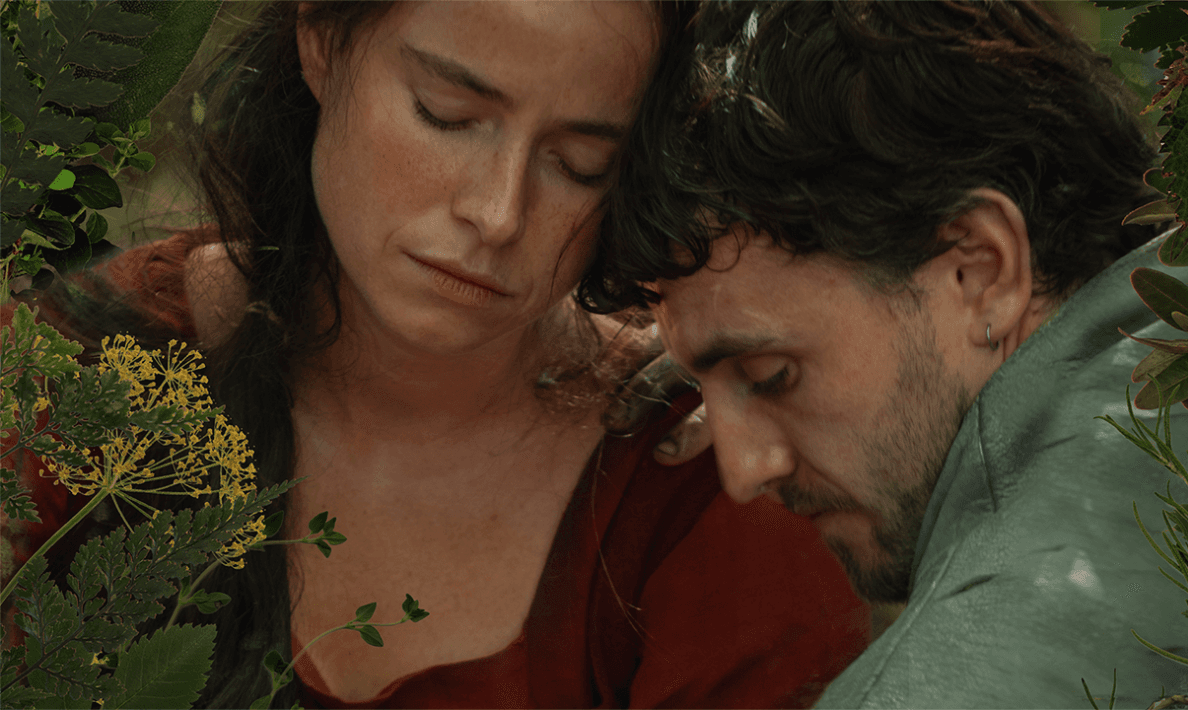
‘That’s Not How I Pictured It’ – Why Book‑to‑Film Adaptations So Often Disappoint
Film adaptations and illustrations can clash with our personal mental images. However, for those with aphantasia, who cannot mentally visualize, these on-screen adaptations offer a uniquely liberating way to experience stories.