Articles
A member’s story
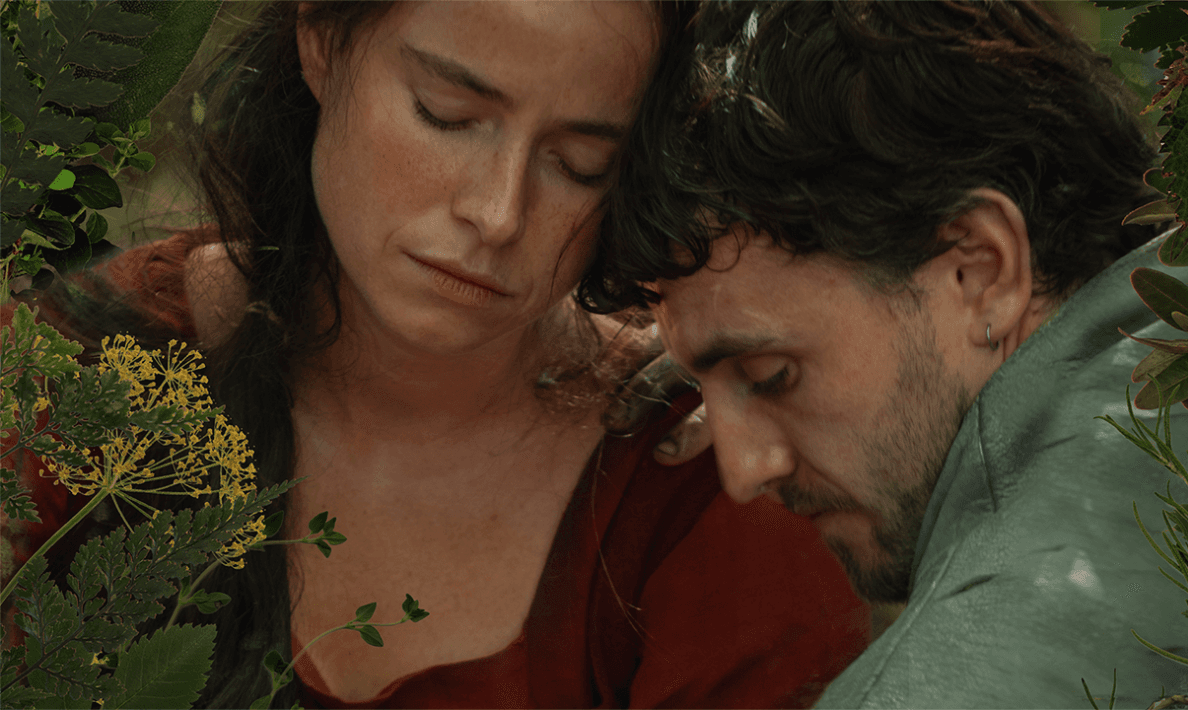
‘That’s Not How I Pictured It’ – Why Book‑to‑Film Adaptations So Often Disappoint
Film adaptations and illustrations can clash with our personal mental images. However, for those with aphantasia, who cannot mentally visualize, these on-screen adaptations offer a uniquely liberating way to experience stories.
Julia Thomas · July 2026

A member’s story
Vision Without Seeing (Part II): Did Ronald Reagan Have Aphantasia?
In Part 2 of her review, Hollis Robbins explores what Zeman's book means for those who imagine without images. Drawing on her own experiences with chess, psychedelics, and poetry, she argues that aphantasia is not a deficit but a different cognitive architecture—one that models the world through language. She then turns to presidential rhetoric to ask a provocative question: did Ronald Reagan have aphantasia? And what does it mean when the rhetorical patterns of 'the great communicator' look strikingly like those of an LLM?
Hollis Robbins · February 2026

A member’s story
Decoding Without Pictures - Aphantasia and Literacy in the AI Era
Hollis Robbins reveals how Mississippi's reading revolution validates what people with aphantasia have always known: you don't need mental pictures to decode language. This essay argues that teaching reading as pure pattern-matching and code-breaking—not visualization—prepares all students for an AI-saturated world.
Hollis Robbins · December 2025

A member’s story
Discovering Aphantasia in History
Many assume that everyone can picture scenes in the mind’s eye—but history reveals otherwise. This article explores nineteenth-century writers and scientists who recognized readers without mental imagery—what we now call aphantasia. From George du Maurier to Francis Galton, it traces the surprising origins of today’s understanding of aphantasic readers.
Julia Thomas · October 2025

Something to try
3 Ways to Motivate Yourself Without Visualization
How do you stay motivated to achieve your goals if you can't visualize them? Discover alternative motivational strategies without visualization.
Tom Ebeyer · January 2024

A member’s story
I Have Aphantasia: My Brain Is Different, and That’s Totally Fine
Many people dread the “what’s the most interesting thing about you” icebreaker question—but not me. I always have the perfect answer, "I have Aphantasia."
Lara Wellman · December 2023

Something to try
Learning and Remembering, With or Without Aphantasia
Memory is tricky whether you have aphantasia or not. Here are some strategies you can use to learn and remember.
Alice Grebanier · September 2023

What the research says
Impact of Aphantasia on the Reading Experience
Does aphantasia impact the reading experience? Exploring the relationship between reading preferences and mental imagery.
Rosina Williams · April 2023

A member’s story
How a Visual Artist With Aphantasia Drew What She Couldn’t “See”
I achieved something I had never done before as a visual artist with aphantasia. How I “imagined” light in a dark cave with no mind’s eye.
Deleted member · March 2023

A member’s story
Imagination Without Images: Aphantasia and Science Fiction Readers and Writers
If you write speculative fiction, 2% of your readers might experience reading like I do—tips for reading and writing science fiction with aphantasia.
Kim Zarins · November 2022

Something to try
Mental Images and the Design Process
When I learned about aphantasia I began to wonder... How might the vividness of our individual imaginations impact our design process?
Melanie Scheer · July 2022

Something to try
Visualisation and Why We Don’t Need it to Make Visual Art
Artists, writers, illustrators, photographers and all people who work with their creative impulses are not limited by their aphantasia.
Elina Cerla · May 2022

A member’s story
So Your Child Can't Visualize?
If your child can't visualize, they might experience aphantasia. As a parent, you might worry. The important thing to remember is your child can be successful in school. They just need to be aware.
Stephen Waterman · March 2022

A member’s story
Interpreting in the Dark - Being an Interpreter with Aphantasia
I had apparently been doing the unimaginable: working as an American Sign Language (ASL) interpreter with aphantasia. How one interpreter learned to interpret "in the dark."
Diane Currie Richardson · February 2022

Something to try
Creative Workarounds for Aphantasics
How do I create if I cannot create things in my imagination? Artist shares creative workarounds for aphantasics.
Julia Stone · January 2022

Something to try
Photography, Creativity, and Aphantasia
Master photographer shares tips for expanding your photographic talent with aphantasia in this article on photography, creativity, and aphantasia.
Chris Wooley · January 2022

Something to try
How to Write with Aphantasia
If you can’t visualize, how can you write? Write by patchwork. Award-winning aphantasic author shares tips for how to write with aphantasia.
Dustin Grinnell · June 2021

Something to try
The Art of Aphantasia
Discover the art of aphantasia. How Disney animator and 'mind blind' artist Glen Keane creates without visualising.
Matthew MacKisack · June 2021

