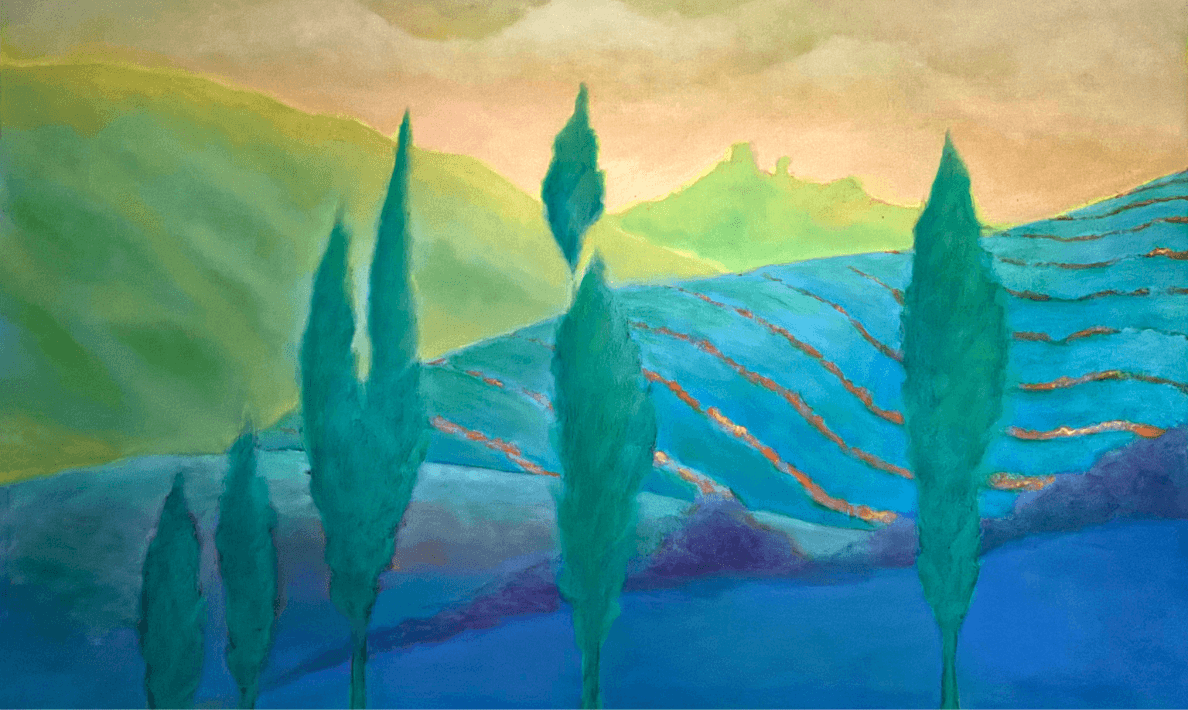
A member’s story
What’s It Like to Be an Artist With Aphantasia?
An artist shares his surprising discovery of living with aphantasia—the inability to visualise. Despite being unable to picture faces or landscapes, he reveals how this unique trait shapes his creative journey, forcing him to work instinctively, embrace experimentation, and use photography, digital tools, and video to help translate emotion into art.
Paul Windridge · June 2026

A member’s story
Imagination Beyond Mental Images
Haiku is often called a visual snapshot, but as a poet with aphantasia, I see nothing in my mind's eye. For forty years, I thought "picturing it" was a metaphor. From childhood memory tricks to professional poetry, I’ve learned that a mind without images doesn't lack imagination—it just meets the world through a direct and powerful connection between attention, relationship, and the timing of perception.
Mark Farrar · April 2026

A member’s story
Decoding Without Pictures - Aphantasia and Literacy in the AI Era
Hollis Robbins reveals how Mississippi's reading revolution validates what people with aphantasia have always known: you don't need mental pictures to decode language. This essay argues that teaching reading as pure pattern-matching and code-breaking—not visualization—prepares all students for an AI-saturated world.
Hollis Robbins · December 2025

A member’s story
Thinking in Pictures Isn’t All That: We Are All Beautifully Unique
What was your reaction when you first discovered others were thinking in pictures while you weren't? This jarring revelation led designer Shane Williams on a 25-year journey exploring cognitive differences. His research shows that studying and embracing how differently we all think opens up new worlds of patience, understanding, and acceptance.
Shane Williams · July 2025

A member’s story
What Living Without Mental Imagery Has Taught Me
I live without mental imagery—no pictures, no imagined sounds. But my world is rich in emotion, intuition, and presence. I parent, create, and heal by tuning into what I feel, not what I see. It’s a different way of experiencing life—and it’s deeply meaningful in its own quiet, grounded way.
Sage Marie · July 2025

A member’s story
I’m an Author With Aphantasia: You, Too, Have the Power to Do Anything You Set Your Mind To
For years, I thought something was wrong with me. While others “pictured” scenes in their minds, I saw nothing. I couldn’t visualize characters or settings, and it left me feeling disconnected—until I learned I had aphantasia.
KJ Zagabria · June 2025

What the research says
Expanding Aphantasia Definition: Researchers Propose New Boundaries
Researchers expand aphantasia definition beyond "inability to visualize." This broader framework impacts how we understand and identify with the condition.
Tom Ebeyer · January 2025

A member’s story
Writing Fantasy Without a Mind's Eye
Aphantasia, living without a mind's eye, doesn't hinder creativity. Despite my inability to visualize, I wrote and published a fantasy novel, proving creativity thrives in unique ways.
Frank Schutz · June 2024

What the research says
Aphantasia and Hyperphantasia: What We Know After a Decade of Research
Since 2015, "aphantasia" has reshaped our understanding of imagination, revealing that not everyone visualizes mentally. This discovery, along with "hyperphantasia," highlights the diverse nature of human imagination.
Tom Ebeyer · May 2024
A member’s story
Memories Without Imagery—Remembering Outside the Lines
People with aphantasia may struggle with memory recall. This may be because our memories are image-free. But, just because we can't see our memories, does that mean we don't have them? The ability to visualize is not a prerequisite for remembering rich experiences.
Diane Currie Richardson · March 2024

A member’s story
How Our Invisible Differences Can Enrich a Marriage
Whether you’re an aphant or a visualizer, marriage, or any loving partnership, is about commitment. Among other things, commitment means respecting each other’s differences and working through them lovingly.
Frank Schutz · February 2024

A member’s story
How Aphantasia Can Make You Seem Insensitive
We’re not — aphants don’t see the world the way most people do. Our brains work differently.
Mark Farrar · February 2024

A member’s story
I Have Aphantasia: My Brain Is Different, and That’s Totally Fine
Many people dread the “what’s the most interesting thing about you” icebreaker question—but not me. I always have the perfect answer, "I have Aphantasia."
Lara Wellman · December 2023

A member’s story
Can Aphantasics Use Imagery to Heal or Improve Performance?
From guided imagery to imagined athletic practices, are aphantasics disadvantaged because they lack a mind’s eye?
Jim Collison · July 2023

A member’s story
Discovering I Have Aphantasia
A clinical therapist with total aphantasia, mental illness, autism, and other neurodiversities shares her perspectives and strategies.
Neesa Sunar · June 2023

A member’s story
Is Aphantasia Hereditary? - A Personal Exploration
I have aphantasia. Do my siblings have it? What about my parents? Is aphantasia hereditary?
Liana Scott · June 2023

What the research says
Less Sensory Overwhelm in Aphantasia: A Potential Advantage?
Vividness of mental imagery appears to be linked to level of sensory sensitivity, with lower imagery associated with lower sensory sensitivity.
Carla Dance · January 2022

A member’s story
3 Things I Learned From Having Multisensory Aphantasia That Changed My Understanding Of The World
My journey understanding the cognitive profiles of aphantasia and hyperphantasia started when I learned at age 30 that most of you have a superpower I don’t.
Steven Levithan · June 2021

