Articles
Stories from people with aphantasia, what the research says, and things to try.
Stories from people with aphantasia, what the research says, and things to try.
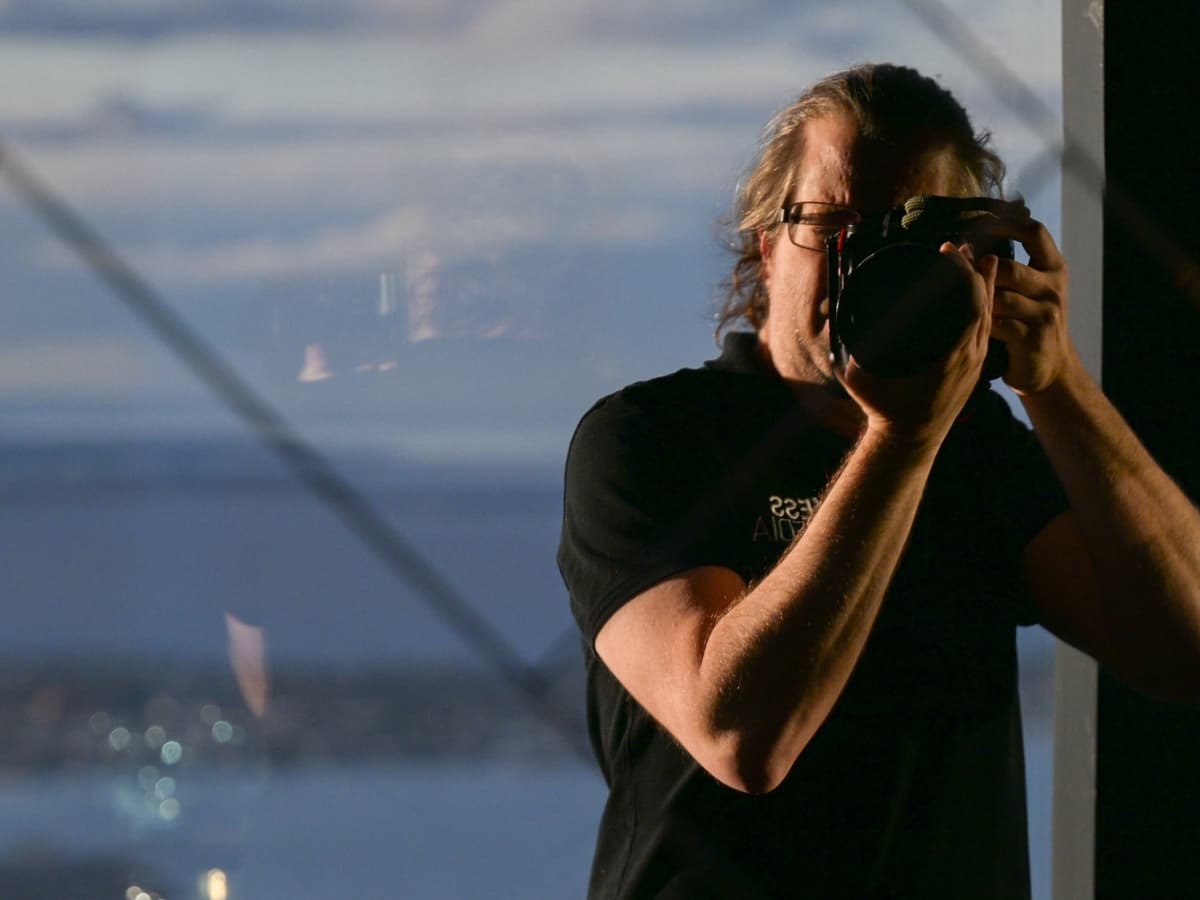
After decades behind a camera, a photographer learns his mind has never produced images, a discovery that explains his compulsive archiving, his instinctive way of shooting, and his lifelong habit of trusting what's in front of him over what's in his head.
Alexander Kesselaar · September 2026
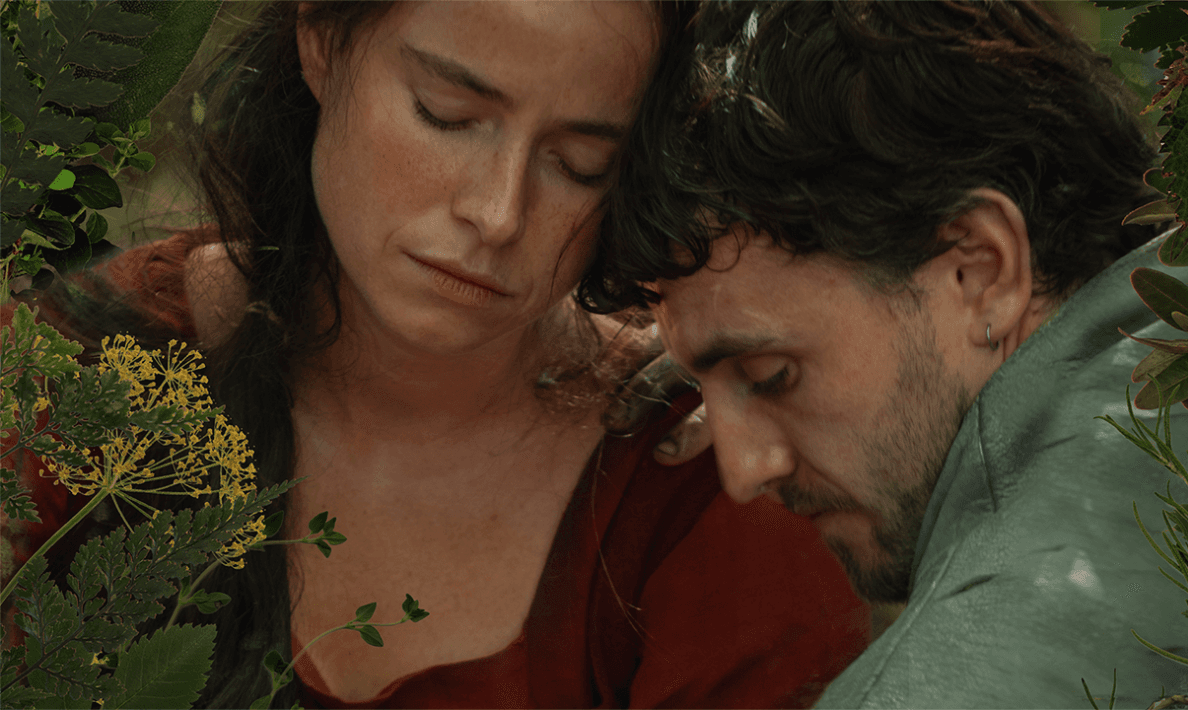
Film adaptations and illustrations can clash with our personal mental images. However, for those with aphantasia, who cannot mentally visualize, these on-screen adaptations offer a uniquely liberating way to experience stories.
Julia Thomas · July 2026
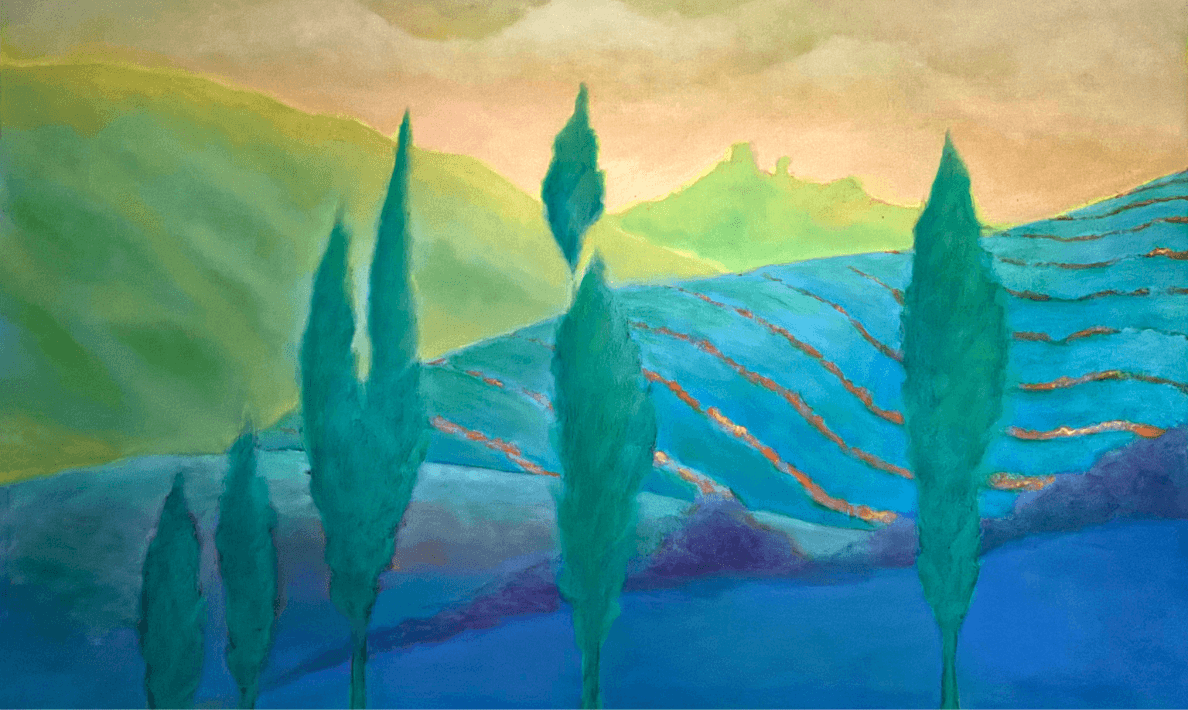
An artist shares his surprising discovery of living with aphantasia—the inability to visualise. Despite being unable to picture faces or landscapes, he reveals how this unique trait shapes his creative journey, forcing him to work instinctively, embrace experimentation, and use photography, digital tools, and video to help translate emotion into art.
Paul Windridge · June 2026

Haiku is often called a visual snapshot, but as a poet with aphantasia, I see nothing in my mind's eye. For forty years, I thought "picturing it" was a metaphor. From childhood memory tricks to professional poetry, I’ve learned that a mind without images doesn't lack imagination—it just meets the world through a direct and powerful connection between attention, relationship, and the timing of perception.
Mark Farrar · April 2026
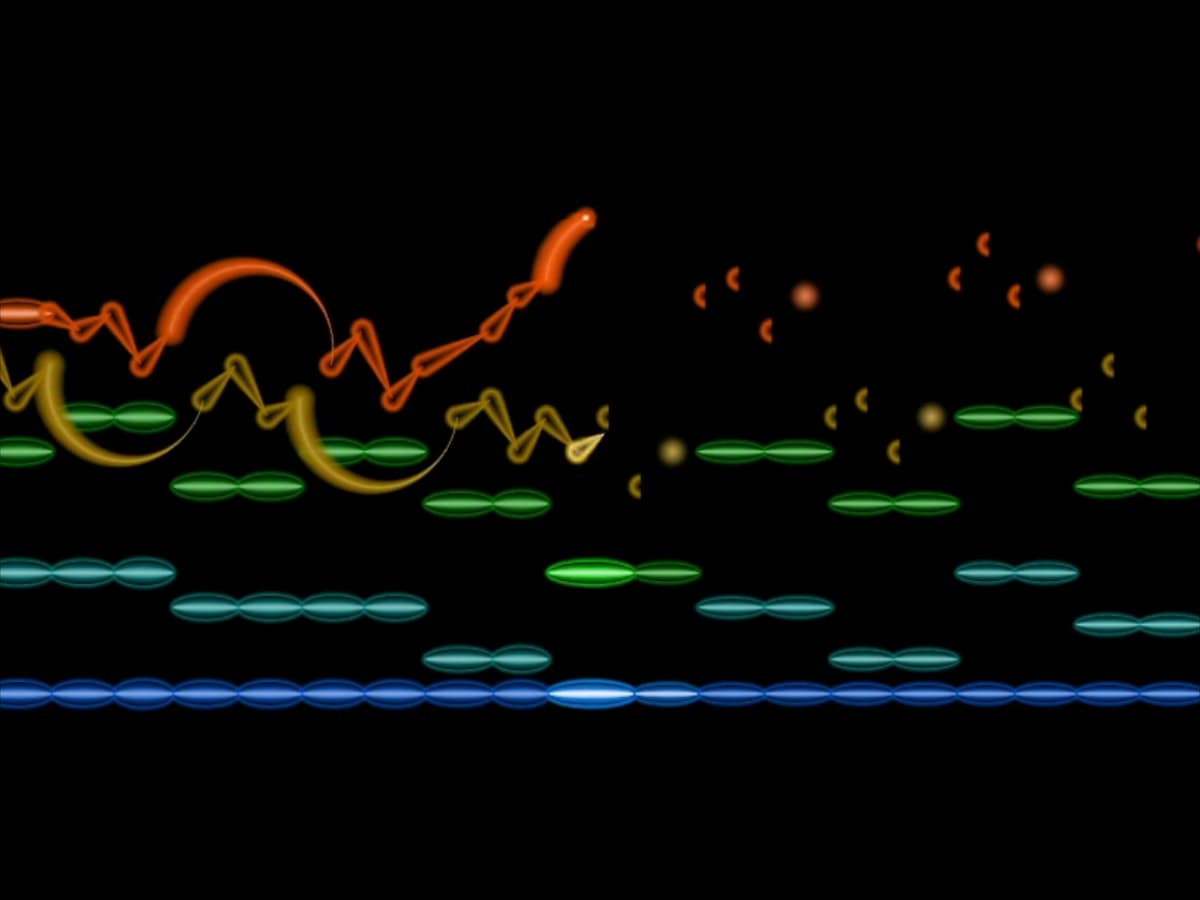
When viewers encounter Stephen Malinowski's Music Animation Machine —vibrant, cascading visual scores that dance in perfect synchronization with classical music—many assume the creator must have an exceptionally vivid visual imagination. The reality is precisely the opposite: Malinowski has aphantasia.
Aphantasia Network · March 2026

A viral post called people who can't visualize 'furniture.' I was one of the first 21 people ever documented with aphantasia. Here's what that post gets wrong.
Tom Ebeyer · March 2026

In Part 2 of her review, Hollis Robbins explores what Zeman's book means for those who imagine without images. Drawing on her own experiences with chess, psychedelics, and poetry, she argues that aphantasia is not a deficit but a different cognitive architecture—one that models the world through language. She then turns to presidential rhetoric to ask a provocative question: did Ronald Reagan have aphantasia? And what does it mean when the rhetorical patterns of 'the great communicator' look strikingly like those of an LLM?
Hollis Robbins · February 2026

This piece explores recently published philosophical research on Alexander of Aphrodisias (c. 200 AD) and its relevance to understanding aphantasia. While ancient philosophers couldn't have known about cognitive diversity as we understand it today, their assumptions about universal mental processes help us appreciate how differently minds can work.
Tom Ebeyer · January 2026

A curator with aphantasia confronts the ultimate irony: organizing a visual art exhibition without the ability to picture it. This personal account reveals how embracing alternative cognitive tools—narrative structure, physical experimentation, and collaborative feedback—turned a different way of thinking into a creative strength, resulting in a more intentional, story-driven exhibition that sparked the conversations about neurodiversity that mattered most.
Maria Angele · December 2025

Hollis Robbins reveals how Mississippi's reading revolution validates what people with aphantasia have always known: you don't need mental pictures to decode language. This essay argues that teaching reading as pure pattern-matching and code-breaking—not visualization—prepares all students for an AI-saturated world.
Hollis Robbins · December 2025

Drawing on Under the Tuscan Sun, Terry Grace explores what it means to build a meaningful life without the ability to picture it first. This essay offers an alternative framework for manifestation: one rooted in feeling, resonance, and faith rather than visualization.
Terry Grace · November 2025

A Case of Aphantasia is a piece of soft science fiction about a man who’s aphantasia is cured in therapy with a fictional technology. That cure comes at a deep cost. This is the first fictional story ever written on aphantasia.
Dustin Grinnell · November 2025

Many assume that everyone can picture scenes in the mind’s eye—but history reveals otherwise. This article explores nineteenth-century writers and scientists who recognized readers without mental imagery—what we now call aphantasia. From George du Maurier to Francis Galton, it traces the surprising origins of today’s understanding of aphantasic readers.
Julia Thomas · October 2025

An artist with aphantasia cannot visualise images but embraces creating through hands-on exploration, turning absence into meaningful, innovative, and expressive works of fine art.
Deleted member · October 2025

The neurologist who identified aphantasia shows how we construct reality through imagination in his new book. As someone with aphantasia, I, Hollis Robbins, found his insights both validating and illuminating. Blending neuroscience, poetry, and poignant case studies, Zeman shows that imagination—visual or not—is central to human experience. This thoughtful, timely book reveals why our capacity to imagine remains one of humanity’s most defining traits.
Hollis Robbins · August 2025

What was your reaction when you first discovered others were thinking in pictures while you weren't? This jarring revelation led designer Shane Williams on a 25-year journey exploring cognitive differences. His research shows that studying and embracing how differently we all think opens up new worlds of patience, understanding, and acceptance.
Shane Williams · July 2025

I live without mental imagery—no pictures, no imagined sounds. But my world is rich in emotion, intuition, and presence. I parent, create, and heal by tuning into what I feel, not what I see. It’s a different way of experiencing life—and it’s deeply meaningful in its own quiet, grounded way.
Sage Marie · July 2025

For years, I thought something was wrong with me. While others “pictured” scenes in their minds, I saw nothing. I couldn’t visualize characters or settings, and it left me feeling disconnected—until I learned I had aphantasia.
KJ Zagabria · June 2025

I used to think of myself as part of the “norm”—someone who wasn’t different. But over time, I began to realize that my dyslexia, my aphantasia, the way I process and express ideas, all pointed to a different kind of mind. Not broken. Not less. Just different. And in embracing that difference, I stopped seeing it as a deficit and started seeing it as a strength. It changed how I teach, how I connect with others, and most importantly, how I see myself.
Bryn Williams-Jones · April 2025

As an artist with aphantasia, I create without mental images, relying on conceptual thinking and tactile exploration. My process transforms abstract ideas into tangible works, using recycled materials and collage to bring concepts to life. Without visual preconceptions, I embrace discovery, letting the journey shape my art and reimagining creativity as a dialogue with the world around me.
Onofrio Passariello · February 2025